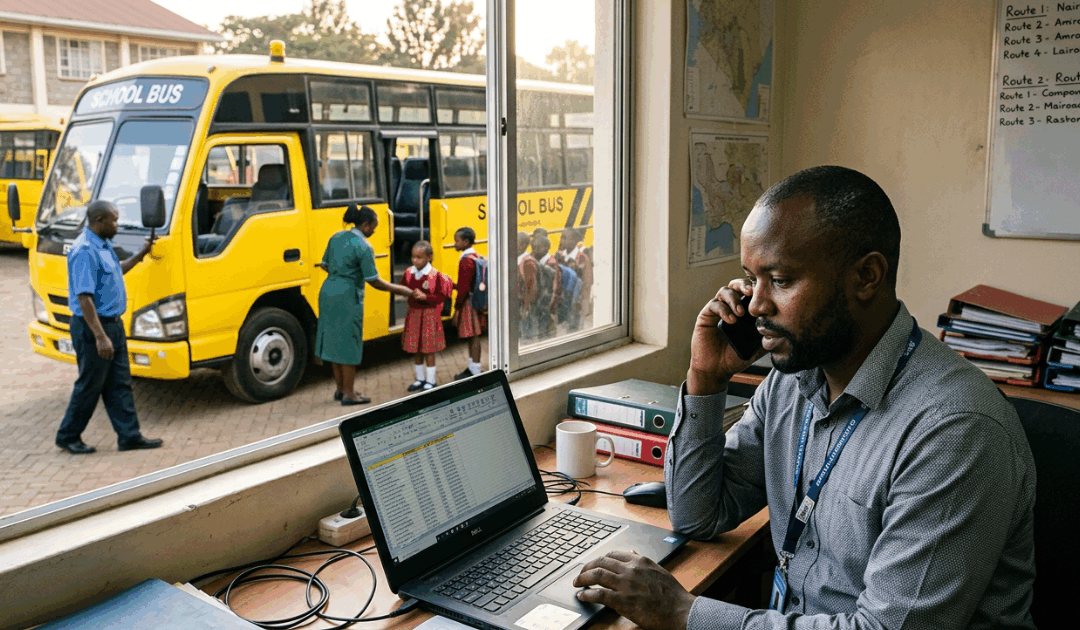
It’s the Monday before final exams, and the transport manager’s phone already knows something has changed. A parent wants to know why pickup is 40 minutes earlier than usual this week. A driver is asking whether he’s still doing his usual afternoon route, since two of his regular students aren’t sitting exams that day. Somewhere in a WhatsApp thread from the academic office, there’s a note that students should report at 6:30 a.m. instead of 7:15, but it hasn’t reached the transport team yet.
None of this is unusual. It’s just exam season doing what exam season does: taking a transport operation that runs like clockwork for nine months of the year and testing whether it can actually flex.
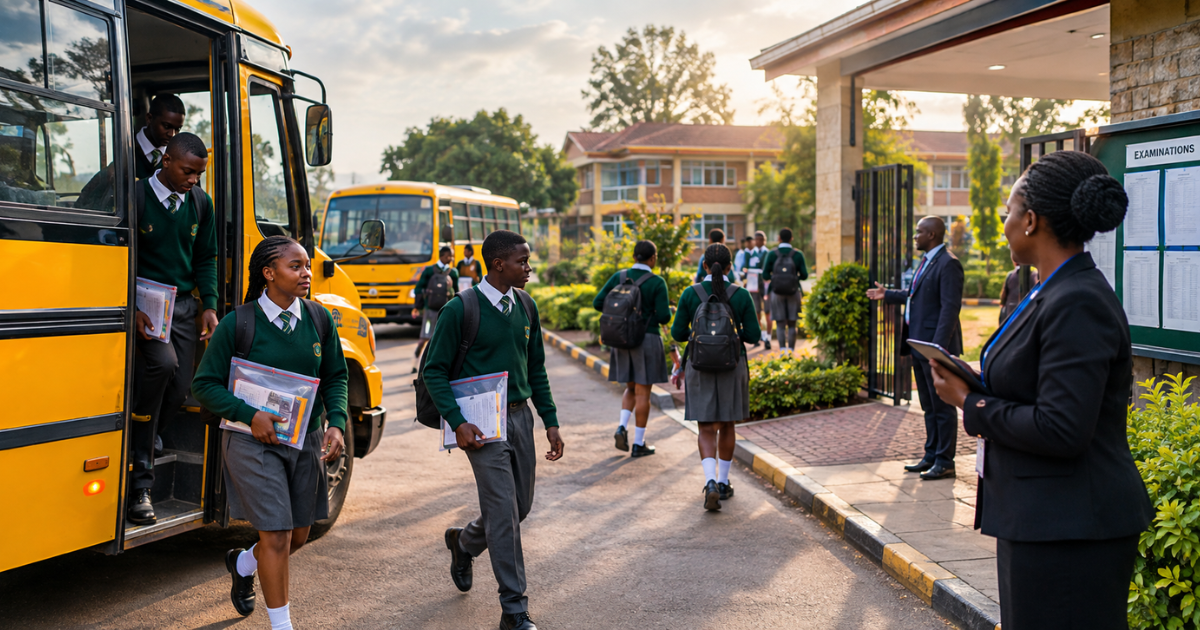
For most of the school year, transport follows a predictable routine: familiar departure times, established routes, drivers and vehicles working to schedules everyone already knows. Examinations disrupt that. Reporting times shift. Finishing times vary by student. Some students travel on a given day, and others don’t. Routes need adjusting, and because students are travelling toward a fixed exam start time, there’s less room for delay.
So the real question for schools isn’t simply “Do we have enough buses?” It’s whether the transport operation can adapt to these changes without losing visibility or control.
The Exam Timetable Is Only the Starting Point
An examination timetable tells the school when students need to be where. A transport timetable has to work backwards from that.
If an exam starts at a set time, students need to arrive earlier, which sets the school arrival time, which sets each bus’s departure time, which sets pickup times along the route. The planning sequence looks like this:
Examination start → required arrival → school departure → route duration → pickup times
That looks simple on paper, but one earlier departure can ripple into driver schedules, vehicle assignments, and parent communication across several routes at once, which is exactly where good route planning earns its keep during exam week. The exam timetable isn’t the transport plan; it’s the starting point the transport plan has to be built from.
One Change Rarely Stays Contained
School transport is interconnected, so a change in one place tends to surface in several others. An earlier reporting time cascades: earlier school arrival, earlier bus departure, earlier pickups, and earlier parent preparation. The same happens in reverse at the end of the day, when students finish exams at different times and the school has to reconsider departure order and vehicle availability.
This is also where the student list stops being predictable. On a normal day, transport teams know roughly who’s on which route. During exams, that picture shifts daily; some students travel, others don’t, and reporting times can differ by student. So the useful question isn’t “how many students are travelling”; it’s “which students, on which journey, at what time” and being able to check that against who’s actually assigned to each vehicle.
The practical takeaway: exam-week planning should look at the whole day’s operation, not one bus at a time. Before the exam period starts, it’s worth reviewing driver and vehicle assignments against the revised schedule availability, whether one driver or vehicle is tied to several journeys that day, and what the backup plan is if either falls through. A change to one journey can very easily affect another.
Communication Should Follow the Change, Not Chase It
Timely, automated communication only helps if the people affected actually know about it, and timing matters as much as accuracy. A revised schedule shared several days ahead gives parents and drivers time to adjust. The same change shared an hour before pickup creates confusion, even when the information itself is correct.
Before sending anything, it’s worth being clear on what changed, who’s affected, when they need to know, and who’s responsible for telling them. The goal isn’t more messages; it’s making sure the right information reaches the right people before it becomes a problem on the road.
Build Around the Possibility That the Plan Changes Again
Even a well-prepared exam schedule runs into the unexpected: traffic, an unavailable vehicle, and a driver who can’t make the journey. When that happens, the transport team needs more than the original plan. It needs current information: where the vehicle actually is, which journey is underway, which students are on it, how serious the delay is, and who else might be affected.
The faster a team can answer those questions, the faster it can decide what to do next, which is really the whole point of contingency planning.
Don’t Confuse a Planned Journey With a Recorded Journey
There’s a real difference between knowing what should happen and knowing what did happen.
A schedule might say: Bus 3 departure 6:45 a.m. But afterward, the school may need to know when the journey actually began, who was driving, which students were recorded on board, whether the route was followed, and when it was completed. A timetable can’t answer any of that on its own.
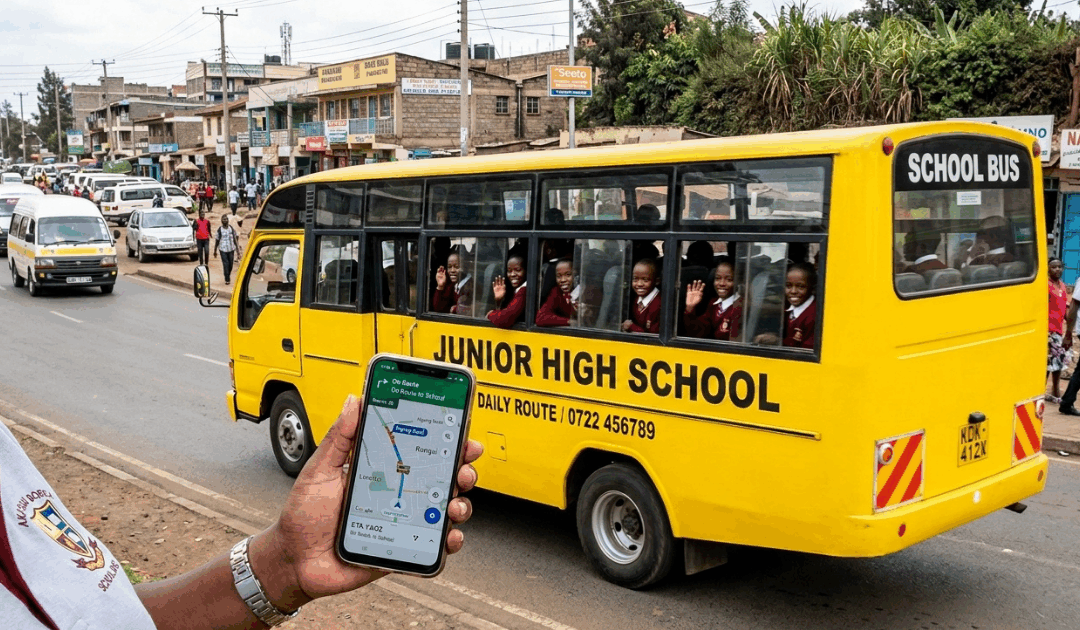
This is where live tracking and student-level records earn their keep, not just for reassurance in the moment, but because exam transport isn’t really finished when the bus arrives. Sometimes the question comes afterward, and the school needs a record to look back on rather than a memory to reconstruct.
Make the Plan Easy to Check, Not Just Long
The best exam-season transport plan isn’t the most detailed one; it’s the one the team can actually check against, quickly, at three points:
Before the first exam
- Has the exam timetable been reviewed against current routes?
- Which journeys start earlier or later, and which students are affected?
- Are the required drivers and vehicles confirmed, with a backup plan if one falls through?
- Have parents received the revised pickup times, and do drivers have the correct schedule?
During the exam period
- Can the team see which journeys are active right now?
- Can it spot a significant delay or change as it happens?
- Can it get relevant information to the right people quickly?
After a journey
- Can the school confirm what actually happened on that route?
- Is that information available for reference if a parent asks?
- Are recurring issues (the same route running late, the same vehicle causing problems) visible enough to fix before the next exam period?
This turns exam-season planning from a one-off timetable exercise into something the team can check and adjust as the days go on.
Exam Transport Is a Test of Flexibility
Exam season doesn’t require schools to build a new transport operation from scratch; it requires recognising that the normal pattern will change and that the change doesn’t stay contained. The exam timetable affects departure times, departure times affect routes, and routes affect students, drivers and vehicles all at once.
So preparation is about more than a revised schedule on paper. It’s about knowing what’s changing, who’s affected, how that gets communicated, and what information will actually be available once the journey is underway.
Because the real test of an exam-season transport plan isn’t whether the timetable looks organised. It’s whether the operation can absorb change without losing track of the people, vehicles, and journeys involved, and when something does go off plan, whether the school can look back at a clear record instead of just asking around.
Preparing your school’s transport for exam season? Bunifu Go gives transport teams a live view of every journey, who’s on which bus, where it is right now, and a record of what happened once it’s done, so a delayed bus or a last-minute schedule change doesn’t mean tracking people down one call at a time. See how Bunifu Go can help.