The Question GPS Can’t Answer
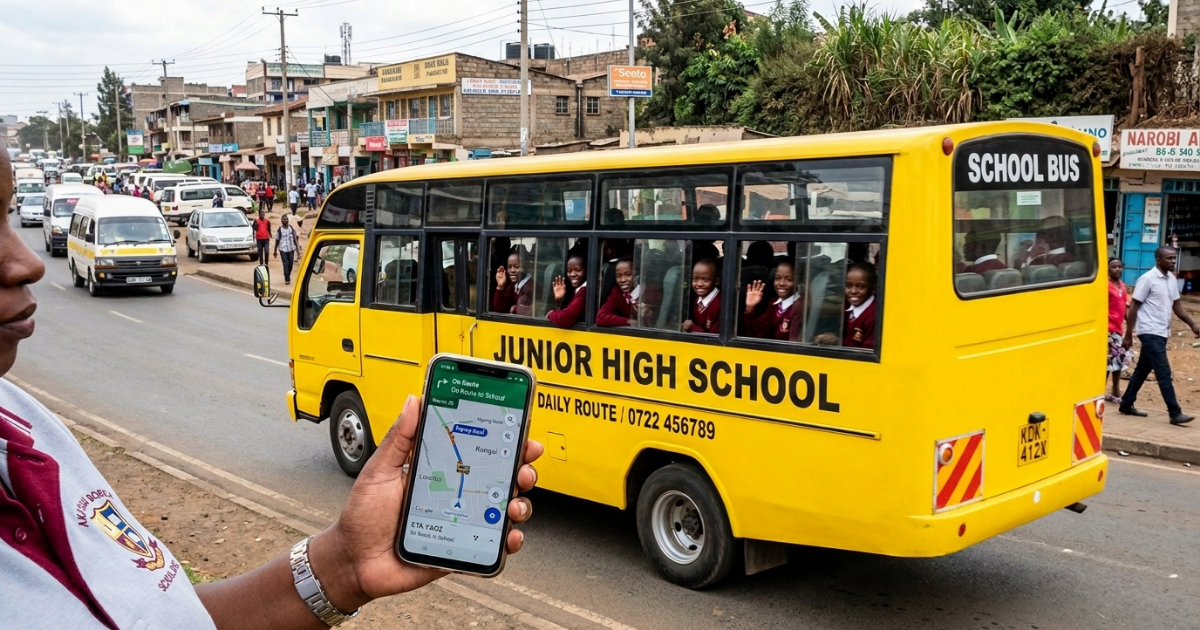
It’s a typical afternoon. A school bus is 20 minutes late because of unexpected traffic or a roadblock.
A parent calls the front office:
“Is my child on that bus, or are they still at school?”
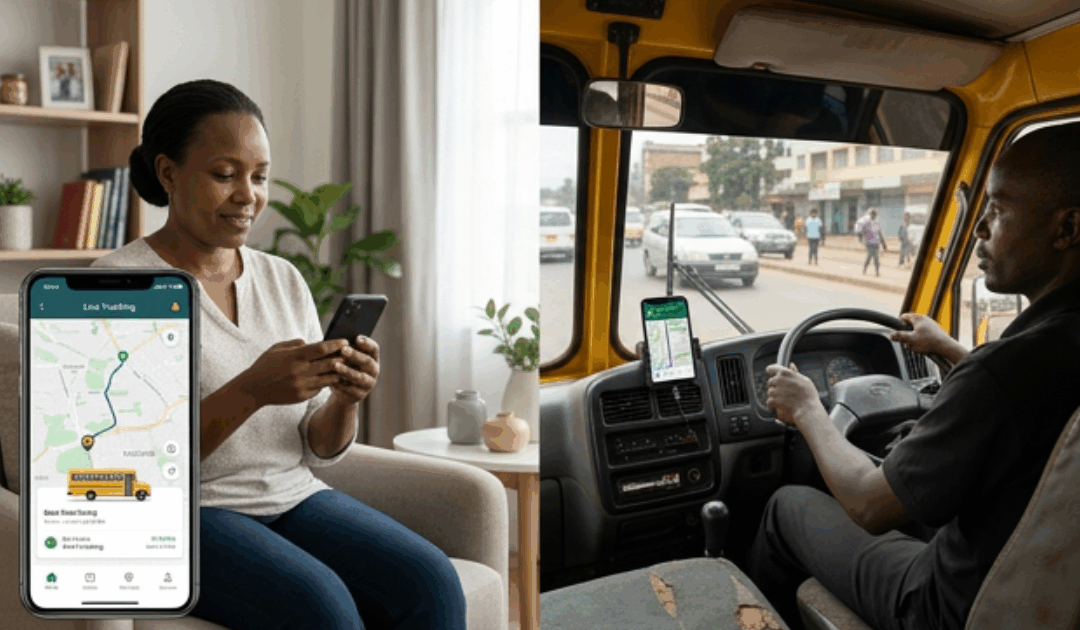
The administrator opens the transport dashboard. The bus is visible on the map. They can see its location and movement.
But there’s a problem.
They still may not know whether the child is actually on the bus.
This is where the limits of vehicle-only tracking become clear. GPS has transformed school transport by making vehicle locations visible in real time. But knowing where the bus is does not necessarily tell a school what is happening to the students travelling inside it.
GPS is necessary. But it isn’t sufficient.
GPS Solved One Problem, But Not the Whole Problem
GPS is excellent at answering questions such as where the bus is, whether it’s moving, which route it’s taking, how long it’s been stopped, and whether it has deviated from its planned route. These are vehicle questions, and GPS answers them well.
But school transport involves more than vehicles. Schools also need to know which students boarded, which are still expected to board, who got off, when a particular student arrived, and whether a student’s journey can be verified after the fact. These are student questions, and vehicle GPS was never built to answer them.
This creates the central blind spot: vehicle visibility does not automatically equal student accountability.
The Three Blind Spots of Vehicle-Only Tracking
Blind Spot 1: Vehicle Tracking vs. Student Accountability
A GPS system can show that a bus has reached Stop B. But that doesn’t necessarily confirm whether Student X boarded the bus, was still on it, got off at the expected stop, or whether the student’s journey matched the school’s transport records.
The issue isn’t that GPS is ineffective; it’s that the vehicle and the passenger are two different things. For schools, being able to verify the student’s journey provides a much clearer picture than simply knowing where the vehicle travelled.
Blind Spot 2: The Front-Office Communication Bottleneck
When parents don’t have enough information about a delayed bus, they naturally contact the school, and one delay can quickly lead to multiple calls from concerned parents asking where the bus is, whether it has left, whether their child has boarded, and when it should arrive.
Instead of staff repeatedly checking the system and relaying information, a modern transport system should make appropriate journey information available to parents automatically. Better visibility means fewer routine transport enquiries and less manual communication for school staff.
Blind Spot 3: The Gap Between Transport and School Arrival
A student’s journey doesn’t begin and end with the bus. There are several handoffs: Home → Pick-up point → Bus → School gate → School.
When these stages are managed separately, information becomes fragmented. The transport team may know when the bus arrived. The security team may know when students entered the gate. The administration may have attendance information. But without connected records, the school struggles to see the student’s journey as one continuous process.
The goal isn’t simply to track a bus. It’s to improve visibility across the gap between the moment a student leaves the bus and the moment their arrival at school is confirmed.
What Student-Level Transport Tracking Adds
Student-level transport tracking builds on GPS rather than replacing it. It combines vehicle visibility, student identification, boarding verification, and automated communication into a single picture of the journey.
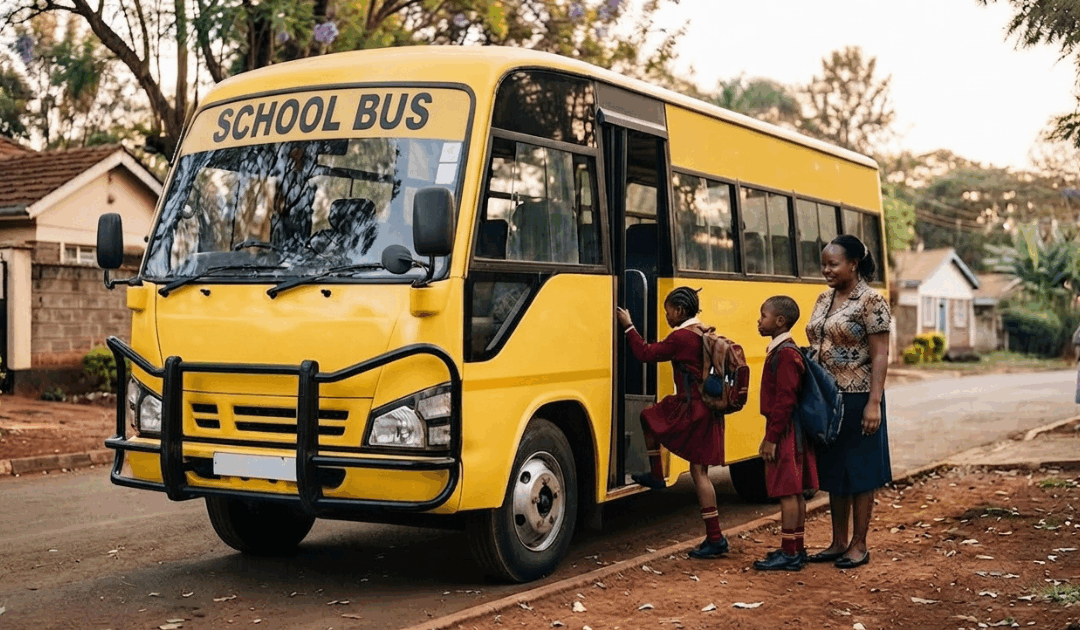
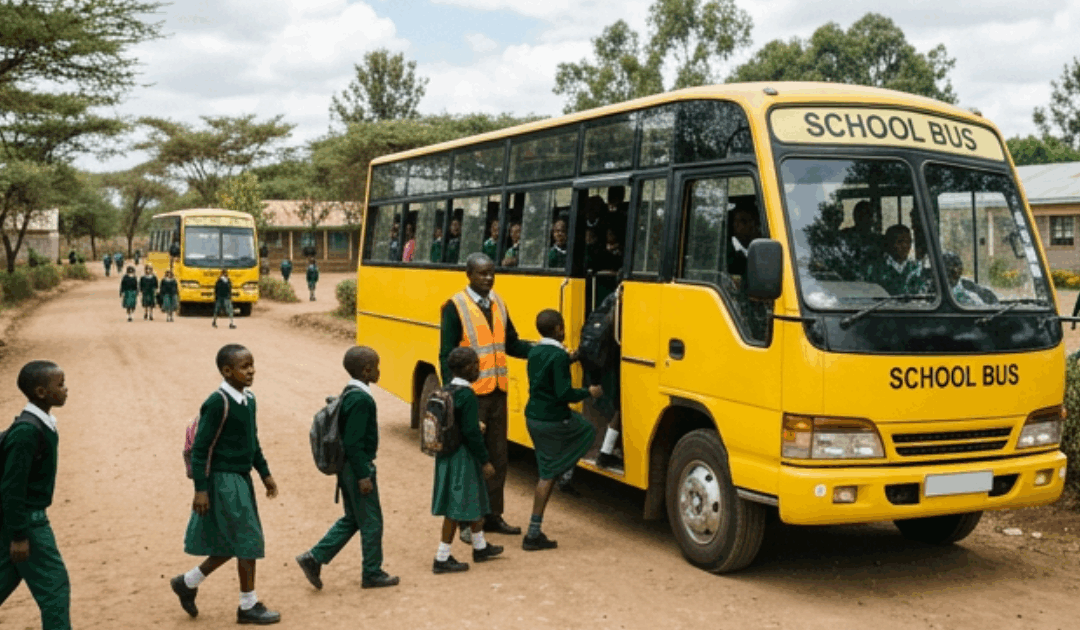
Step 1: Boarding Verification — A student uses an assigned NFC card or keyfob when boarding the bus.
Step 2: The Journey Becomes Identifiable — The system records that the specific student boarded a specific vehicle at a specific time.
Step 3: Parent Visibility — The appropriate parent or guardian receives a notification confirming the student’s boarding.
Step 4: Journey Records — The school can access student boarding and journey records rather than relying only on GPS history.
What This Changes for School Operations
Less guesswork for administrators. Instead of relying only on vehicle location, transport teams can work with passenger-level information to understand who is travelling on each route.
Better parent communication. Parents can receive relevant transport updates without having to call the school for every routine delay or status question.
Stronger accountability. Student-level records provide a clearer history of boarding and transport activity, helping schools investigate questions about a particular journey more efficiently.
Better transport decisions. Over time, student and route data can help schools understand actual ridership, identify underused routes, review stop patterns, and make better fleet and routing decisions.
From Vehicle Visibility to Student Accountability
This is the larger shift taking place in school transport technology. For years, the primary question was “Where is the bus?” and that question still matters. But modern school transport requires additional questions: Who is on the bus? Who has boarded? Who has arrived? Can we verify what happened during a particular journey?
This doesn’t make GPS obsolete. It makes GPS part of a larger transport visibility system.
GPS tells you where the vehicle is. Student-level visibility helps show what is happening with the students on board.
What Schools Should Look for in a Modern Transport System
When evaluating a school transport platform, administrators should look beyond the presence of GPS. Consider whether the system can provide:
Vehicle Visibility — Real-time vehicle location, route monitoring and historical journey information.
Student Visibility — Student identification, boarding and alighting records, passenger manifests and individual journey history.
Parent Communication — Automated boarding notifications, journey updates and appropriate alerts when transport activity changes.
Operational Visibility — Route and ridership information, historical records, easily retrievable trip and incident information, and dashboards that help transport teams make decisions.
Accountability — Clear records of who boarded and when, connected information across the student’s transport journey and reliable records that can be reviewed when questions arise.
The key question for school leaders should be: Does this system simply track our vehicles, or does it help us understand our students’ journeys?
What This Looks Like in Practice
Illustrative example: The scenario below shows how student journey records can change the way a school handles a delayed journey. It is not based on a specific client result.
Consider a typical scenario at a mid-sized school running a dozen bus routes. Before adopting passenger-level tracking, a single traffic delay could generate a wave of calls to the front office within minutes. Each enquiry requires a staff member to manually check the GPS dashboard, estimate an arrival time, and try to reassure a parent who still cannot be told whether their specific child is on that bus.
With boarding verification in place, the same delay plays out differently. Parents receive an automatic notification when their child boards, so a late-running bus becomes a scheduling inconvenience rather than an unanswered question about whether the child boarded. The transport team can access a live passenger manifest instead of relying on a paper register or a driver’s memory.
If a question comes up later, whether a child boarded on a particular day, for example, the relevant transport record is already available rather than needing to be reconstructed after the fact.
Conclusion: Closing the Blind Spot
Return to the opening scenario. The parent calls because the bus is late. A traditional GPS system may tell the administrator exactly where the bus is. A more complete transport system can provide something more useful: information about the students travelling on that bus.
That distinction matters.
GPS tells you where the vehicle is. Student journey records add visibility into who boarded and what has been recorded about their journey.
The future of school transport isn’t about abandoning GPS. It’s about going beyond it.
For schools looking to connect vehicle visibility with student-level transport accountability, Bunifu Go provides a foundation for making every journey more visible and every student’s transport experience easier to verify.
Want to see what student transport visibility could look like for your school?
Explore how Bunifu Go can help your school move beyond simply tracking buses.