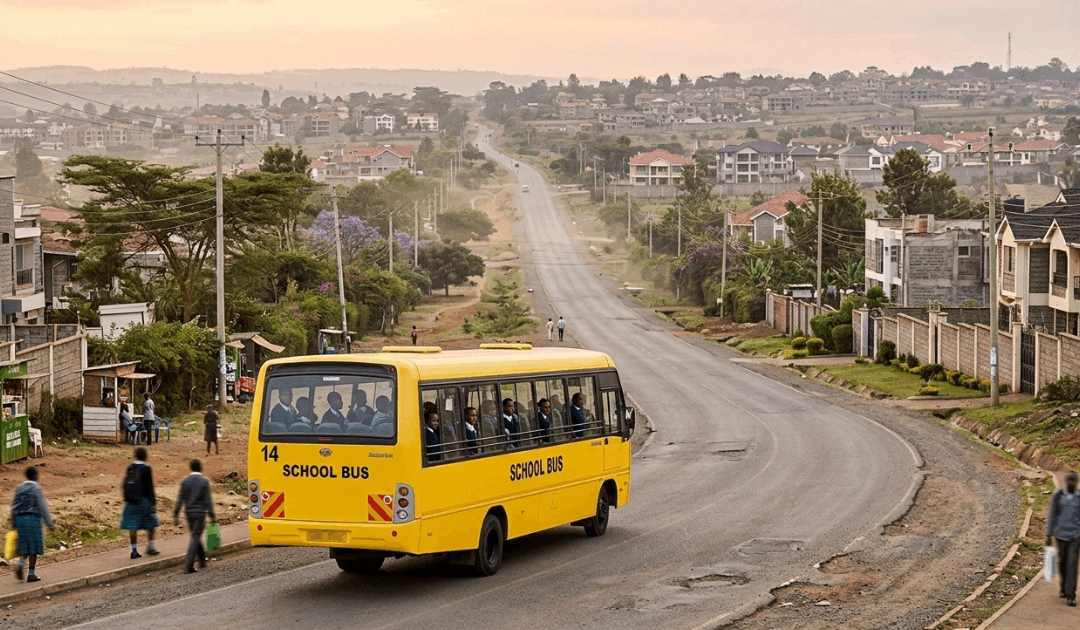
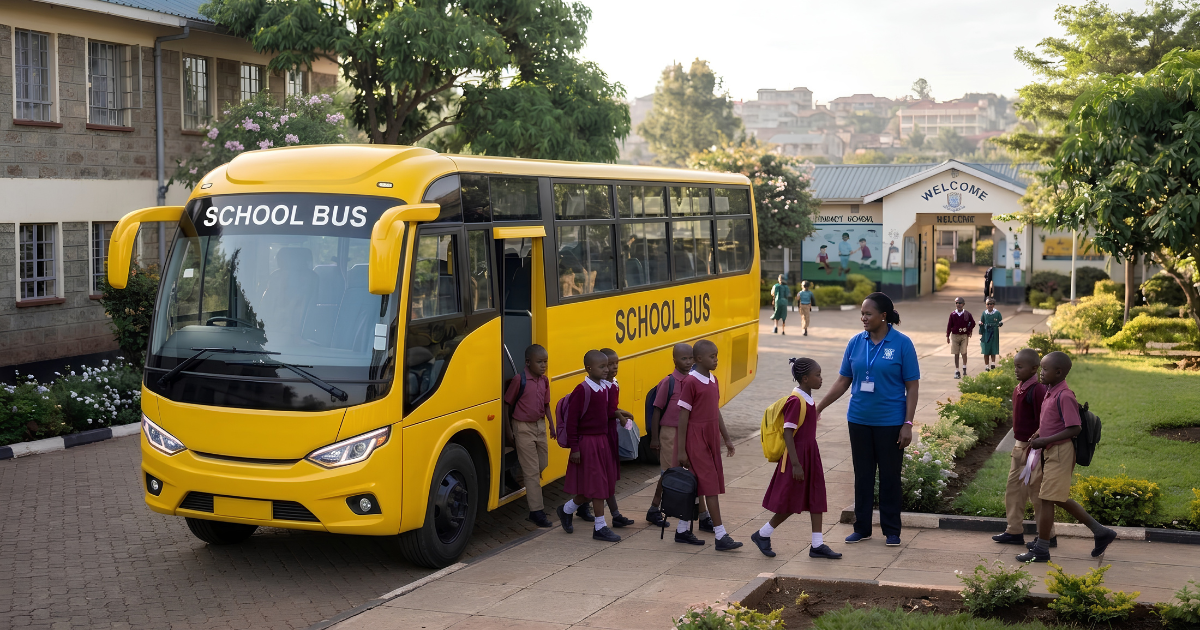
A school transport schedule shapes a child’s whole day, not only the journey. Bus departure and arrival times can influence how early a child needs to wake, how long they wait at a stop or gate, and how much time remains for rest, meals and homework. When schedules are built mainly around routes and vehicles, these effects on children are easy to miss.
This article is for school administrators and transport coordinators. It offers one way to think about a schedule from the child’s point of view and some questions to ask at each stage of schooling.
Thinking About the Child’s Whole Day
It helps to picture the schedule from the child’s side: waking up, leaving home, waiting, riding, arriving, and the same sequence in reverse at the end of the day. A timetable can look sensible on paper and still leave a child waiting in the cold or reaching school with no time to settle.
One approach many schools find useful is to start from the arrival time, work back to each pickup point, and then leave room for the things that slow journeys down. The sections below describe what to keep in mind at each stage.
Pre-Primary
Younger children have less independence, so long days and waiting can be harder for them to manage.
Early starts. A pickup time that leaves little room to wake, eat and dress may mean the family is rushing. Checking the timing against that can help a young child start the day more calmly.
Waiting. Pre-primary children are the least able to wait alone at a stop or gate. Where a schedule leaves them waiting for a while, having an adult present or reducing the wait can make a real difference to how safe and settled they feel.
What to look for. Tiredness on arrival, reluctance to board or difficulty with the morning routine can sometimes point to a schedule that is asking a lot of a young child. Staff can share what they notice with parents without assuming the cause.
Lower Primary
Children at this stage are building independence but still benefit from close supervision.
Time on the bus. A long ride can be tiring for a child who is still learning to sit comfortably for extended periods. It can help to look at how long rides actually take in practice, not only what is planned.
Supervision. Knowing who is responsible at each stop and on arrival helps children feel looked after. Where the bus reaches school before anyone is ready to receive the children, a different timing or a clear handover point can help address the gap.
What to look for. Irritability after the afternoon run, or little time left for rest or homework, may suggest the journey is taking up more of the child’s day than it should.
Upper Primary
Children at this stage often manage longer rides well, but the total across a school week still matters.
Time on the bus. Adding up ride time across the week, not only each day, can show how much of a child’s time goes to travelling compared with other things.
Independence. It is worth checking which stops have children waiting without an adult present and whether that waiting is realistic for their age.
What to look for. Late returns home and less time for homework, play, reading and rest can suggest that a route might be worth reviewing.
Junior Secondary
Students at this stage often have longer days and more activities, which can leave less time for everything else.
Time away from home. Looking at the full span of the day, from leaving home to returning, gives a clearer picture of how transport fits into a student’s routine.
Social and personal time. Time for friendships, activities and interests outside lessons is part of a student’s wellbeing. A schedule that leaves room for these can help students stay engaged with school and home.
What to look for. Changes in sleep, mood or interest in things a student used to enjoy may suggest their routine has become hard to manage.
Senior Secondary
Senior students may have extended lessons, clubs and other commitments that lengthen their days.
Late-finishing routes. Students on later routes can spend long periods travelling. Giving these routes the same care as the morning run helps keep their days manageable.
Study time. A late return home leaves less time for revision, assignments and rest. Letting students and families know the expected return time makes it easier for them to plan.
What to look for. Exhaustion, missed meals, or feedback that transport is getting in the way of study or other commitments may be worth discussing with the student and family.
Checking the Schedule on the Road
A timetable shows what was planned. What children experience can be different, so it helps to check the schedule against what happens.
Comparing planned and actual times. Noting how long routes take in practice, including time spent collecting at each stop and delays from traffic, shows where a schedule may be leaving children with too little margin.
Listening to the people on the route. Drivers and attendants often notice which children seem tired, late or distressed, and how long they wait. Parents and, where appropriate, students can also point out things the timetable does not show.
Reviewing after changes. A route change, a new stop, or a shift in exam finishing times can all affect children’s days. Reviewing the schedule at these points helps keep it working for them. The exam-season transport article covers how examination periods change transport arrangements.
The transport manager article describes the daily oversight that makes this kind of checking possible. The bus attendant article covers supervision at stops and on arrival.
One Way to Begin
Some coordinators find it helpful to start with a single route. They can review its arrival time, the pickup times required, and how long the journey actually takes, then ask the driver where the longest waits or recurring delays occur. These observations can help identify where the schedule could be made more manageable for the children using the service.