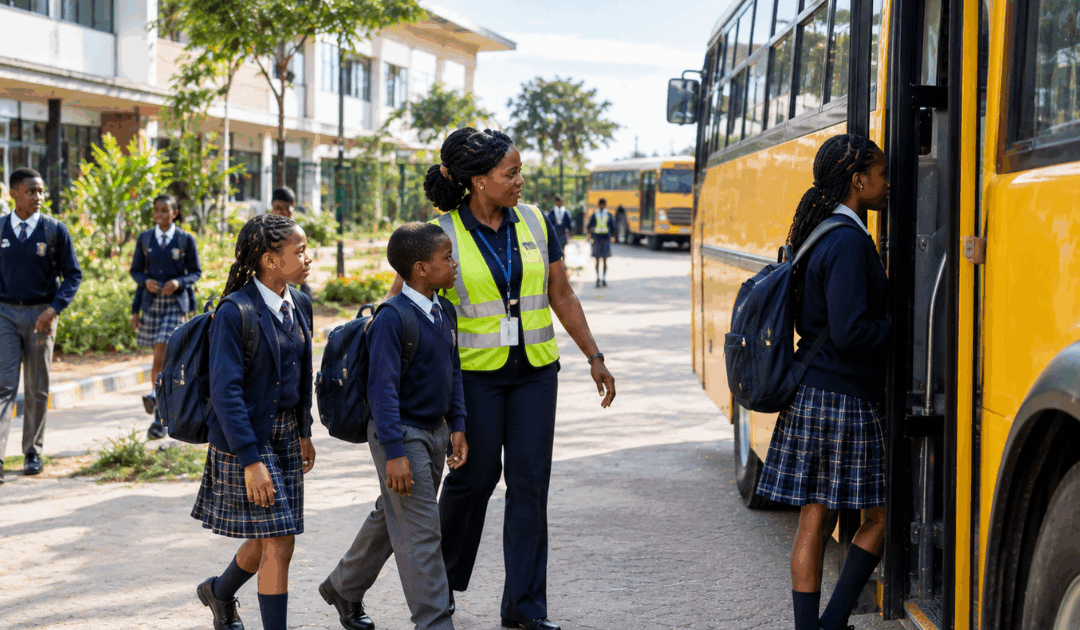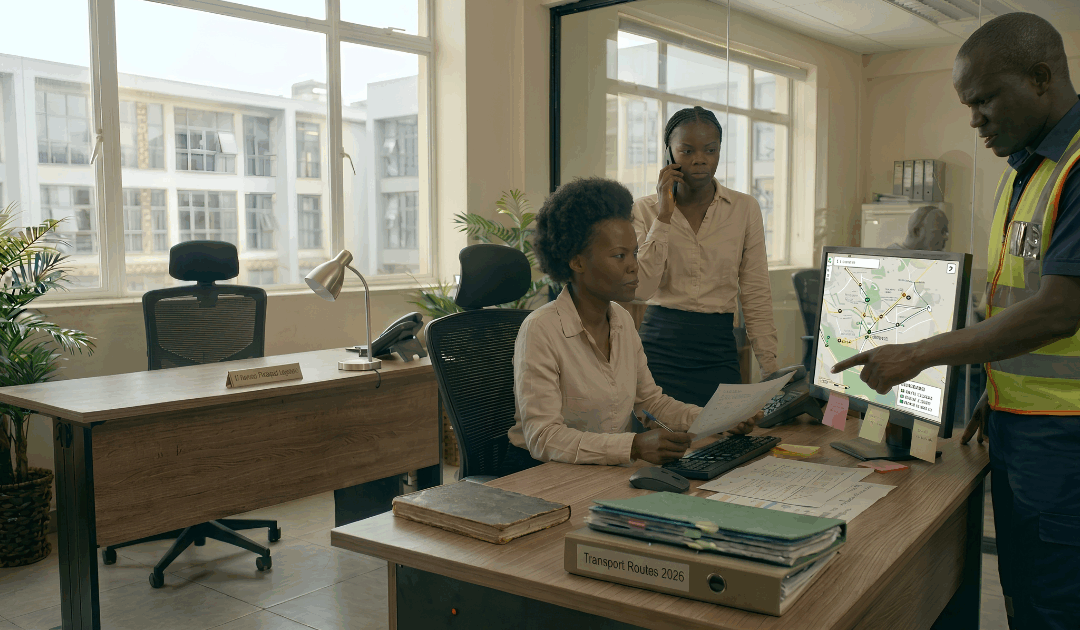

You’re standing at the gate. The bus was supposed to arrive ten minutes ago. You don’t know if it’s stuck in traffic, running late, or already come and gone. Your phone shows nothing useful, just the time ticking past when it should have arrived.
That feeling, the not-knowing, used to be part of school transport. Today, schools have access to technology that can answer many of these questions before parents even have to ask. Instead of waiting and hoping everything is fine, parents can have greater visibility into their child’s journey. It doesn’t have to be a guessing game anymore, or at least, it shouldn’t be.
The problem is that not every school’s transport system actually delivers on that. So it’s worth knowing what “modern” is actually supposed to look like, not as a technical checklist, but as a parent’s everyday experience. Here’s what you should reasonably expect.
1. Knowing Where the Bus Is Without Guessing
The most basic expectation is also the one that matters most day to day: you should be able to open an app and see, right now, where your child’s bus actually is, not just what time it’s scheduled to arrive.
A live map with an accurate estimated arrival time turns a guessing game into something you can plan around. If traffic is bad and the bus is running late, you should know that from your phone, not by standing at an empty stop wondering where the bus is.
What you should be able to see:
- A live location you can check any time, not just at pickup and drop-off
- An estimated arrival time that updates as conditions change
- A notification when the bus is approaching your stop, so you’re not waiting outside longer than you need to
2. Knowing Your Child Is Actually on the Bus
Knowing where the bus is tells you half the story. The other half is knowing your child is actually on it and that they got off where and when they were supposed to.
A modern system should confirm this automatically, not rely on you assuming everything went fine because nobody called. Many schools now use digital systems to record when a child boards and leaves the bus. This creates a record of the journey and can trigger a notification to you.
What parents should expect:
- A notification when your child boards the bus
- A notification when your child is dropped off
- The ability to check, if you’re ever unsure, whether your child was recorded as being on a particular bus
This distinction matters more than it might seem. A bus can follow its route perfectly and still leave you with an open question if there’s no way to confirm your specific child was on it. Location tells you where the bus is. Boarding confirmation tells you whether your child was recorded as being on it.
3. Being Told Before You Have to Ask
Delays happen. Traffic happens. A driver might need to take an alternate route because of roadworks or a temporary closure. None of that is unusual. What matters is whether you find out from the school or whether you find out by standing at the stop wondering why the bus is late.
A well-run transport system tells you proactively. You shouldn’t have to call the school to ask why the bus hasn’t arrived; you should already have a notification explaining it.
You should receive:
- Automatic alerts for delays, not just on-time arrivals
- A heads-up if a route or pickup time changes
- Notice if the school records your child as a no-show at the expected pickup point
If you’re regularly the one initiating contact to find out what’s going on, that’s a sign the system isn’t doing what it should.
4. A Simple Way to Reach the School When Something Feels Off
Even with good notifications, there will be moments when you need to reach someone directly; your child wasn’t at the usual pickup point, the bus seems unusually late, or something just doesn’t add up.
You shouldn’t have to navigate a general school phone line and wait to be transferred to someone who can actually answer a transport question. A modern system should give you a direct way to reach the transport team and a reasonable expectation of how quickly they’ll respond.
A good system should provide:
- A clear channel, in-app messaging, a dedicated number, or similar, specifically for transport concerns
- A response that doesn’t require you to repeat your question to three different people first
- Confirmation that your concern was received, even if the full answer takes a few minutes
5. Confidence That Safety Is Being Monitored
You’re not expected to see the technical details behind this, and you probably don’t want to. What you should have is confidence that the school is actually monitoring driving behaviour, vehicle safety, and how emergencies are handled. You don’t need dashboards or reports. You need to know that if something did go wrong, harsh braking, a delay or an emergency, the school would know quickly and would be able to tell you what happened.
What should give you confidence:
- A school that can answer, clearly, what happens if a driver needs help mid-route
- Confidence that driving patterns (speeding, sudden braking, route deviations) are being tracked, even if you never see the data yourself
- A sense that safety monitoring is ongoing, not something that only gets checked after a complaint
6. An App That’s Actually Easy to Use
You’re not a transport administrator, and you shouldn’t need to act like one just to check on your child’s ride to school. Installing the app, logging in, and finding what you need should be straightforward; no manual required, no confusing menus.
If you’ve ever struggled to figure out how to use a school app, you know how quickly that frustration turns into just not using it at all, which defeats the purpose entirely.
The experience should be simple:
- A quick, guided setup process
- A home screen that shows the information you actually want, such as the bus location and recent notifications, without digging through menus
- Support should also be available if you get stuck. A clear, plain-language parent app guide can make setup and everyday use much easier.
What This Means for Parents in Kenya
Even the best transport system can’t eliminate traffic, weather, or the occasional road closure. A five-minute delay on a rainy morning in heavy traffic isn’t necessarily a sign that something is wrong with the system.
What good technology does is make those ordinary delays visible and explainable, instead of leaving you to wonder. You should still expect a notification, a reasonable estimated arrival time, and a way to check in if you’re worried.
Questions Parents Can Ask Their School
If you’re not sure what your school’s current transport system actually offers, here are a few fair questions to ask:
- Can I see the bus’s live location, or only a scheduled time?
- Will I be notified when my child boards and when they’re dropped off?
- How will I be told if the bus is delayed or the route changes?
- Who do I contact directly if something seems wrong, and how quickly should I expect a response?
- Is there a simple guide to help me set up and use the app?
You’re not expected to know the technical answers, you’re just entitled to ask, and to expect the school to be able to explain it clearly.
What This Means
A modern school transport system isn’t about having more notifications or a flashier app. It’s about not having to wonder where the bus is, whether your child is on it, or why you haven’t heard from the school.
That’s what “modern” should mean in practice: fewer moments standing at the gate, unsure. If your school uses Bunifu Go, the Parent App Manual can help you understand how the parent app works and what information is available to you.