A transport coordinator hands in their notice. A driver goes on sudden sick leave. A bus assistant who’s run the same route for two years takes a job elsewhere. Staff changes are an unavoidable part of running a school.
The buses still need to run the next morning. Students still need to be picked up and dropped off on time. Parents still expect the same clear communication they received yesterday.
But the information that seemed obvious yesterday can suddenly be difficult to find.
Schools plan carefully for traffic, breakdowns and route disruptions. Fewer consider what happens when the person who knows the operation best is no longer the one running it.
A reliable transport operation shouldn’t depend on one person’s memory. It should depend on a system that keeps essential information available, regardless of who’s on shift.
What Transport Chaos Actually Looks Like
Picture an ordinary Monday morning. A new driver takes over a route they’ve never run before, working from a sheet that lists the stops but doesn’t clearly identify which students are assigned to each one. A bus assistant hesitates outside a gate because the previous assistant knew that a particular family preferred the second entrance, not the first, and that detail was never recorded.
By 7:15, a parent calls the school office asking why the bus hasn’t arrived. The person who answers gives one explanation. Ten minutes later, another parent calls with the same question and receives a slightly different answer because two staff members are relying on different memories of the same route.
None of this happened because anyone did their job badly. It happened because the operation was, without anyone quite realising it, running on memory.
The problem isn’t necessarily that staff changed. It’s that critical information left with them.
The Real Problem: Knowledge That Leaves With the Person
There’s a difference between individual knowledge and institutional knowledge. That difference becomes important when essential transport information is held primarily by individuals rather than by the school itself.
Individual knowledge can include which students belong to which route, where specific pickup points are, the adjustments made for particular families, records from previous journeys and the details normally passed verbally from one driver or assistant to the next.
When this information lives mainly in someone’s memory, a notebook, a personal spreadsheet or a string of WhatsApp messages, every staff change creates a risk of information loss. Details may be forgotten, misunderstood or have to be reconstructed from scratch.
The alternative is to keep essential transport information in a system that authorised staff can reach when responsibilities change. Route details, student assignments and available journey records should remain useful to the school even when the people managing them change.
Any school that has dealt with an unexpected staff change knows how quickly missing information can become an operational problem.
What Operational Continuity Actually Requires
A smooth transition doesn’t depend on transferring every detail of a departing employee’s experience. It depends on identifying which information the school needs to keep its transport operation running and ensuring that information stays within reach.
That starts with clear responsibilities, documented arrangements and records that authorised staff can find when they need them. It also means recognising that not every useful detail will already be documented. A handover remains important for explaining unusual circumstances, recent changes and practical knowledge that may not appear in the school’s records.
The goal is to make staff changes manageable without expecting the incoming team to reconstruct the entire operation from scratch.
How Technology Helps Preserve Operational Continuity
Maintaining that continuity becomes more difficult when transport information is scattered across personal notes, separate spreadsheets and individual message histories. A digital transport management system can help bring relevant information and records into a shared operational environment, making them easier for authorised staff to find when responsibilities change.
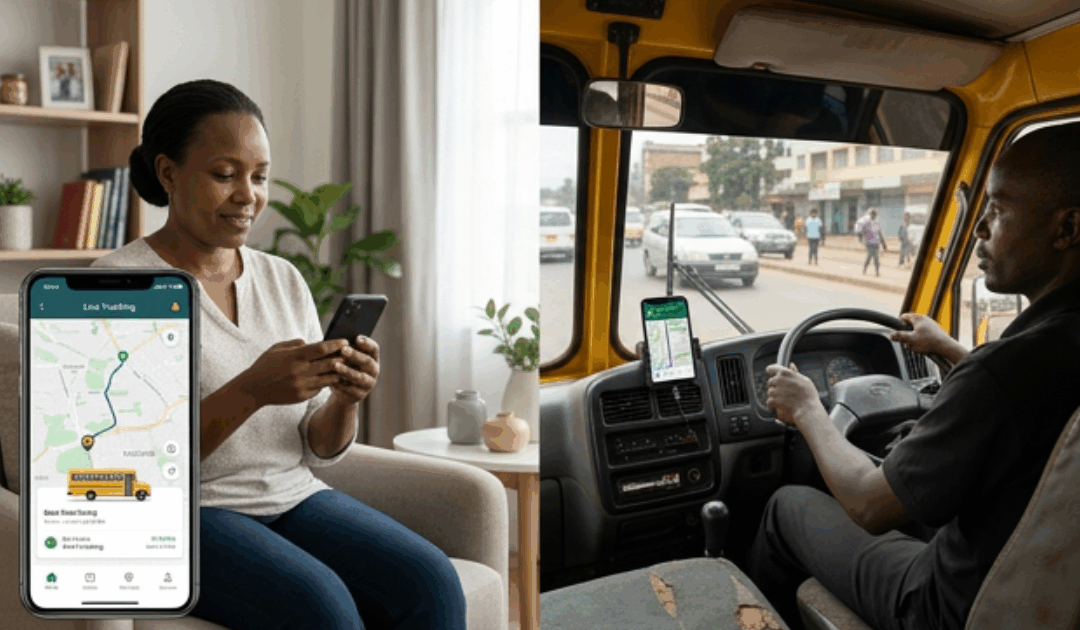
A platform such as Bunifu Go can support this approach. Bunifu Go keeps route and stop details, student assignments and NFC boarding records in one place for authorised staff.
| When responsibilities change | How records can help |
|
Provide a reference for the route and its stops. |
|
Clarify which students are assigned to particular routes. |
|
Provide available digital boarding records. |
|
Make relevant recorded journey information available for review. |
|
Give them a clearer overview of the operation. |
Technology does not replace staff experience, sound procedures or a proper handover. It helps reduce the extent to which essential operational information depends on any one person’s memory or continued presence.
What Happens When Someone New Takes Over?
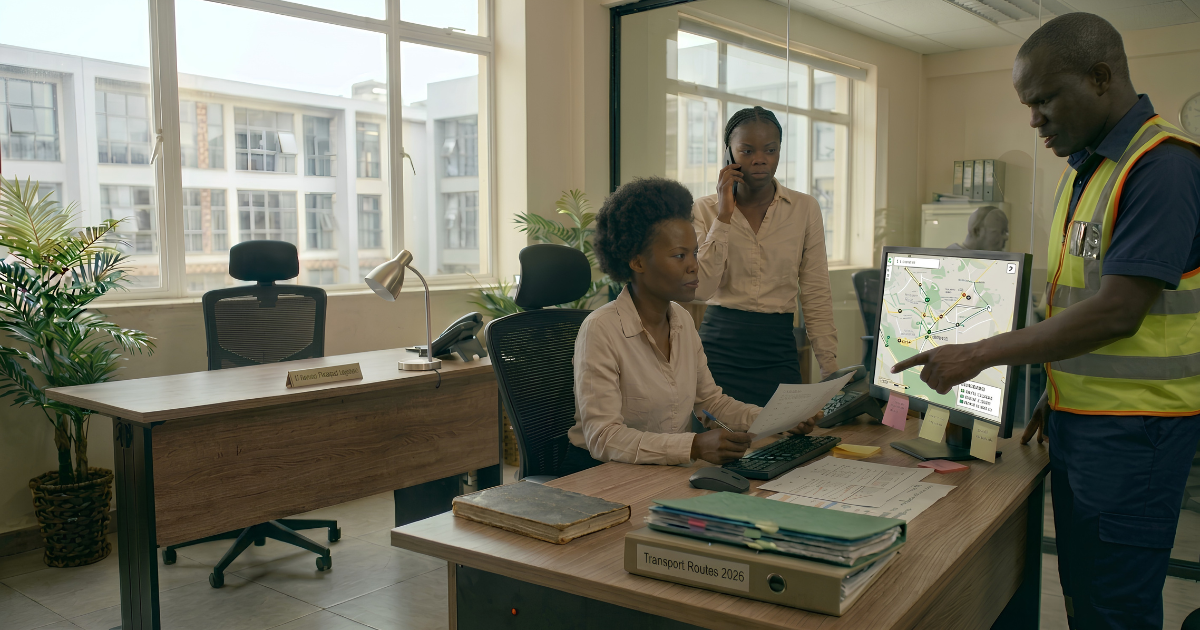
Consider a school in Nairobi operating several buses across multiple estates. The transport coordinator who has managed the routes for two years leaves with two weeks’ notice.
Without accessible records, the replacement may need to cross-check spreadsheets, contact other staff to confirm route details and call parents to verify pickup points. The first few mornings become a process of piecing together information the school needs to run its transport service.
Where essential records are kept in an organised system, the incoming coordinator has a clearer starting point: route information, student assignments and any available journey records. These provide context for the handover instead of leaving the replacement to reconstruct the operation from scratch.
This doesn’t remove the need for a proper handover between outgoing and incoming staff. That conversation still matters, particularly for unusual arrangements and details that may not yet have been recorded. The difference is that the operation’s essential information doesn’t have to depend entirely on what the outgoing coordinator remembers to explain.
The Operation Should Outlast the Individual
Schools can’t prevent every staff change. People take new jobs, move cities or need time off. None of that is a failure on the school’s part.
What schools can control is whether essential transport information stays on hand when responsibilities change.
People may change. Routes may change. Responsibilities may change. But the information needed to keep a school’s transport operation running shouldn’t disappear with them.
See how Bunifu Go keeps transport records in one place, so the work carries on when people move on.