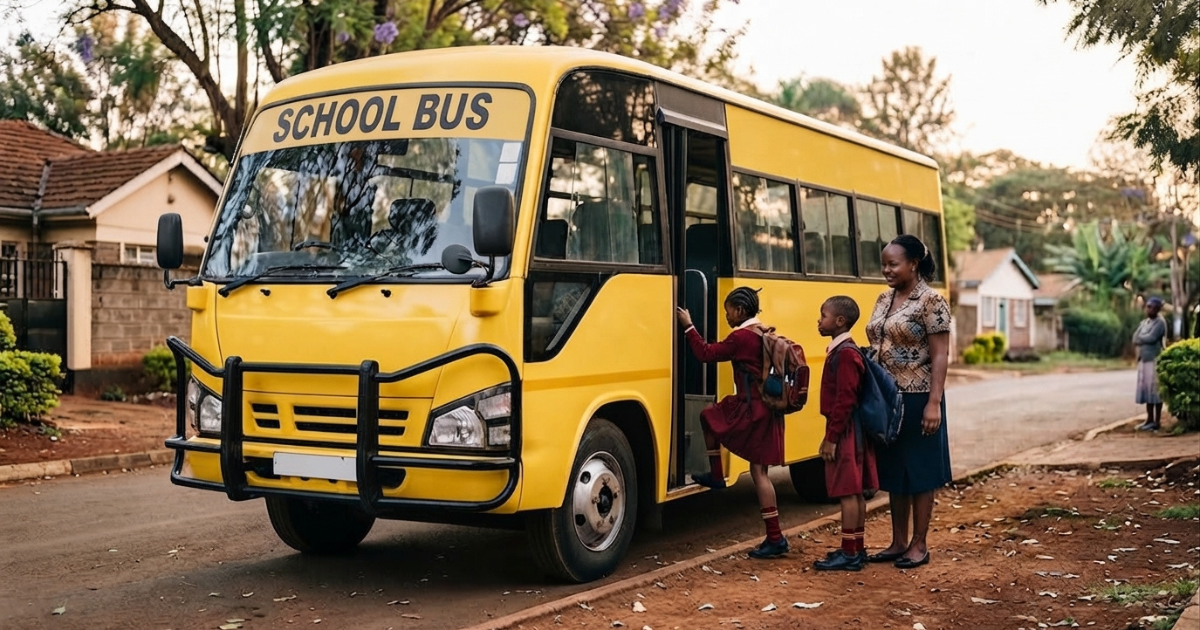
A school bus journey looks simple from the outside: a child is picked up, the bus travels to school, and the child is dropped off. Behind those three moments, however, is a sequence of decisions, checks and handovers that have to happen in the right order.
The vehicle has to be ready and the driver in place. Students need to be recorded as they board, and the transport team needs to know what is happening once the bus leaves. At the other end, arrival and handover need to close the loop.
Here’s what happens between the first pickup and the final drop-off, and where schools need reliable information along the way.
1. Before the Bus Moves
A successful school transport run starts before the first student gets on board.
Alongside confirming the route, the transport team needs to know which students are expected on that day’s run.
These checks can seem routine, but they establish the conditions for everything that follows. If a driver is unavailable, a vehicle is not ready, or a route needs to be changed at short notice, the effect can be felt before the first pickup has even taken place.
Having the day’s transport information organised gives the team a starting point from which to manage the run rather than reacting to problems as they appear.
2. The First Pickup
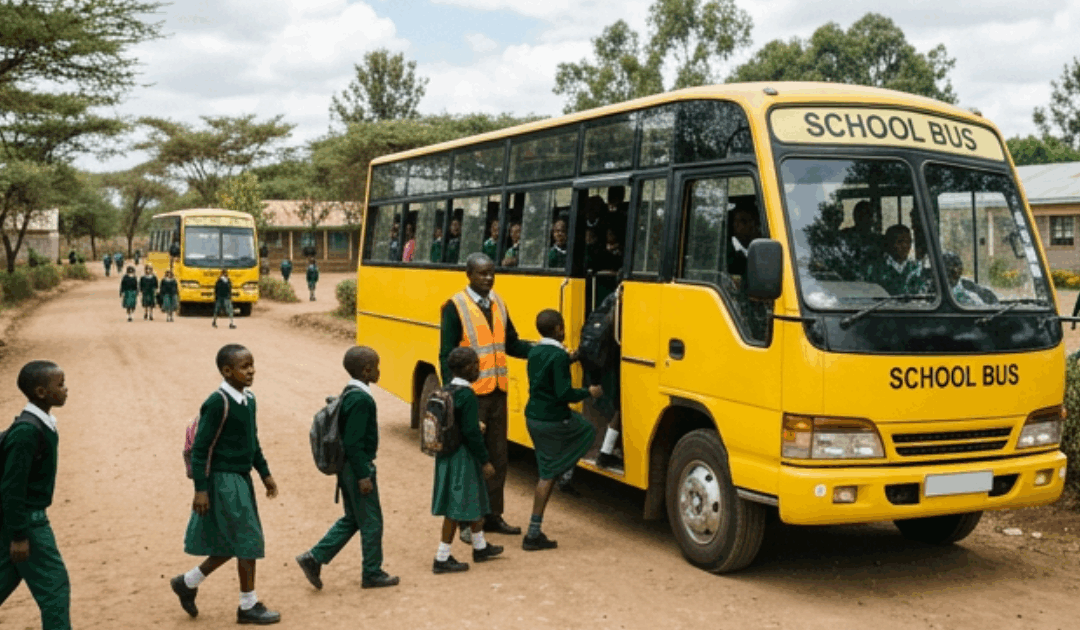
For parents, this is often the most important moment of the morning: their child gets onto the school bus and the school transport run officially begins.
For the transport team, however, there is an important distinction between a student being expected on a route and that student actually being recorded as boarding.
With Bunifu Go, boarding is recorded as it happens, giving the transport team and relevant parent access to the information they need. Instead of relying on an assumption that a child should have been on the bus, the school has a record of what was recorded at the time.
The handover from home to school transport is an important point in the run. We’ve explored where responsibility begins in more detail.
3. The Route Gets Underway
Once the bus leaves its pickup points, the transport team’s role changes. The focus moves from preparing and boarding students to managing vehicles that are now on the road.
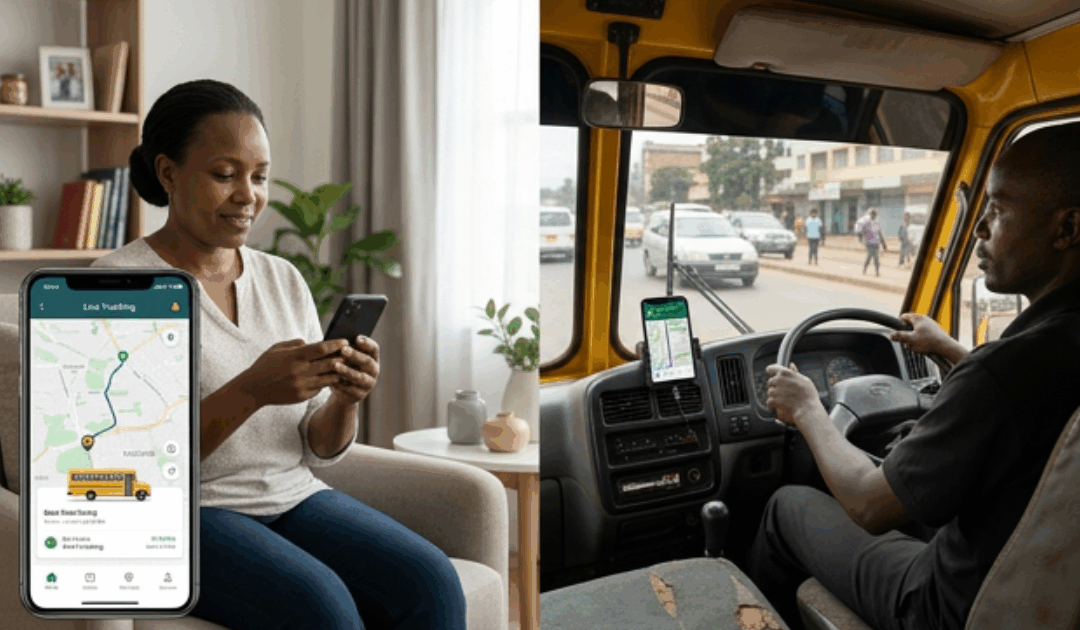
Live tracking allows transport managers to see the vehicle’s location and oversee multiple buses from a single dashboard. This is useful when routes take different roads, run at different times, or encounter unexpected delays.
But vehicle location only answers one part of the question. Knowing where the bus is does not necessarily tell a school who is travelling on it. That is why combining tracking with boarding verification can give the transport team a more complete picture of a run.
The aim isn’t for someone to watch every bus every second. It is to have useful information available when the transport team needs to check progress or respond to a change.
4. Arrival at School
Reaching the school gate is not quite the end of the morning run.
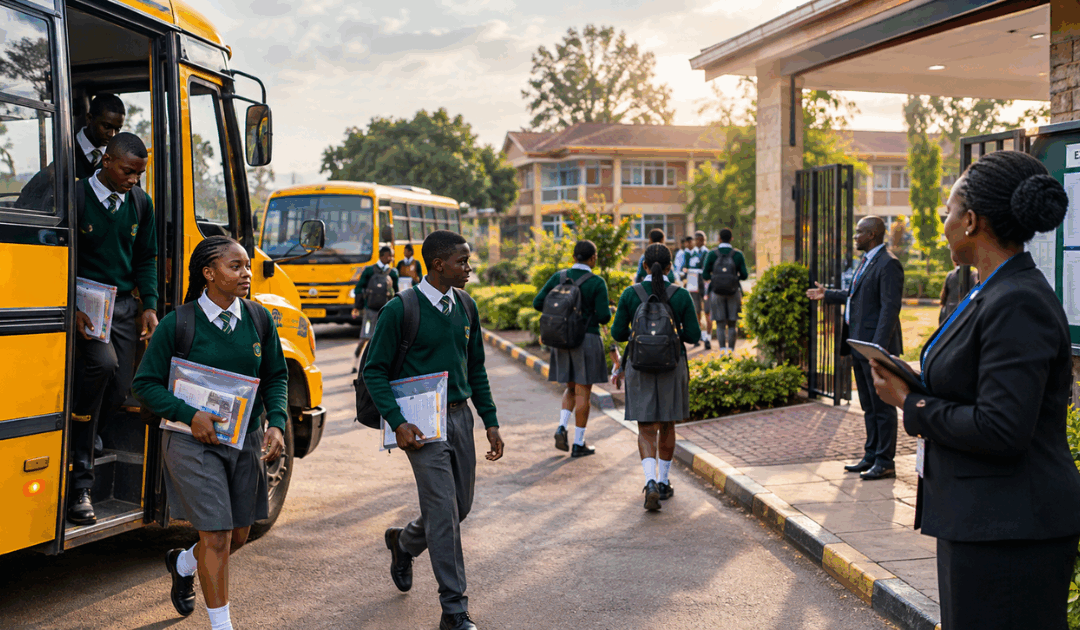
Students still need to leave the vehicle and complete the next handover into the school’s care. Recording that arrival gives the transport team a clear endpoint for the trip rather than simply assuming that everyone arrived because the bus did.
This distinction can become important when a school needs to investigate a question later. As we’ve written before, a bus arriving is not the same as a child arriving. The student-level record helps close the gap between vehicle arrival and individual arrival.
Once the morning run is complete, the transport team should be able to see where the trip ended and have the information needed if a question arises later in the day.
5. When the Plan Changes
Not every school transport run goes according to plan.
Traffic can slow a route down. A vehicle can experience a mechanical problem. A road may become unavailable, requiring the driver to take another route. These situations are part of operating transport in the real world.
What matters is how quickly the people responsible for the run can respond and communicate.
The driver needs to know what to do. The transport team needs to understand what is happening. Parents need relevant information when a change affects their child’s journey.
This is where timely, automated communication can make a practical difference. Rather than relying entirely on calls and messages being passed from one person to another, schools can establish a more consistent way of keeping families informed when there is meaningful information to share.
6. The Journey Home
The afternoon run follows many of the same stages as the morning, but the direction of the handovers changes.
Students board at school, the bus travels through its route, and children are dropped off at their designated points. For parents waiting at home, the final arrival can be just as important as the morning boarding confirmation.
A recorded boarding event establishes that the child joined the afternoon run. Information about the vehicle’s progress helps the transport team oversee the route. A recorded drop-off provides a clear point at which the journey ends for that student.
Taken together, these events give the school a record that follows the student through the relevant stages of the transport run rather than leaving individual events scattered across calls, messages and recollection.
Why Each Stage Matters
Looking at the whole process, a school transport run is made up of several small events that depend on one another.
The vehicle and driver need to be ready. Students need to be recorded when they board. The transport team needs to know how vehicles are progressing. Changes need to reach the right people. Arrival and drop-off need to be recorded.
None of these steps is particularly complicated on its own. The challenge is keeping them connected when several vehicles, routes, drivers and students are involved at the same time.
For schools, reliable transport information provides something more useful than reassurance alone: a basis for managing the operation, responding to questions and reviewing what happened on a particular run.
That is the everyday problem Bunifu Go is designed to address. By bringing together vehicle tracking, student transport records, parent notifications and trip history, it gives schools a clearer way to manage what happens from pickup to drop-off.
See It in Action
If your school wants a clearer way to manage its transport runs and keep the key events connected, get in touch for a demo.