School bus tracking for parents can show where a bus is, but a moving bus doesn’t always answer the questions that matter most.
A parent may know which bus their child is assigned to. They may even see it moving on a map. But that leaves three questions unanswered: Was my child recorded as boarding? How is the journey progressing? And if something changes, will I know?
A map can answer only one of those. The other two depend on knowing what happened to the student and what changes along the way. Together, they show what parents actually need from school transport: not just where the bus is, but clearer visibility into their child’s whole journey.
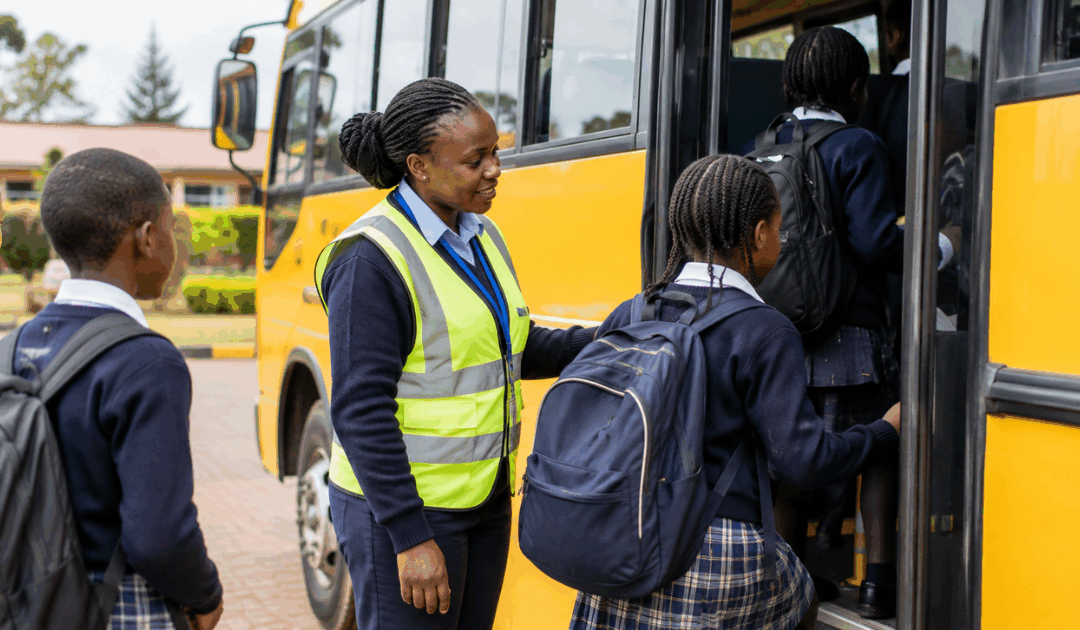
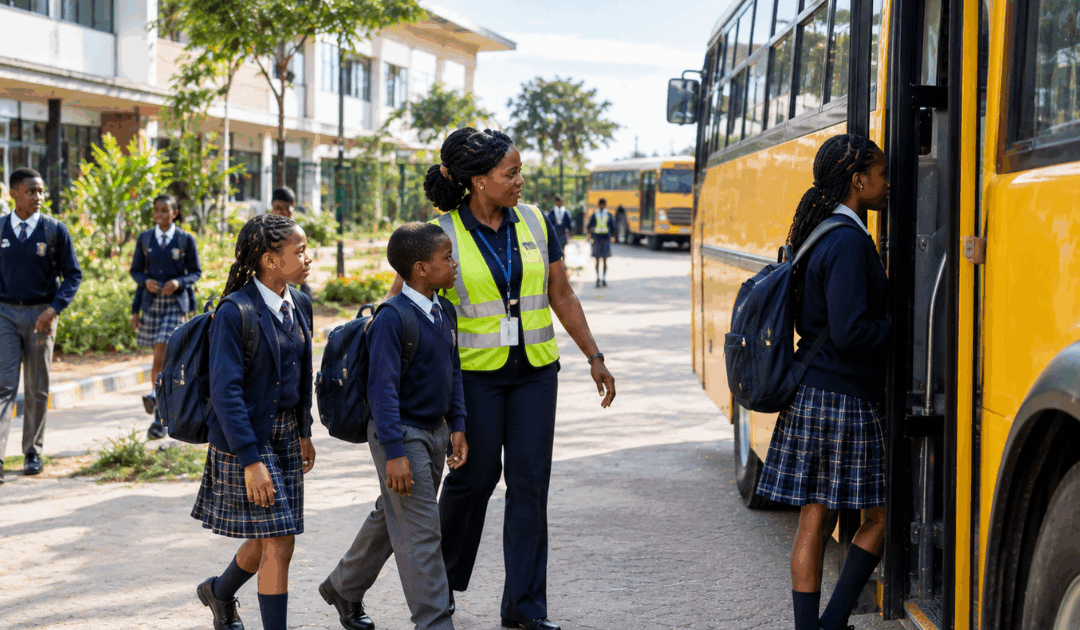
Question One: Did My Child Board the Bus?
This is the question that comes first, even if it isn’t always the one parents say out loud. Before location, before timing, before anything else, a parent wants to know that the journey actually started, for their child specifically, not just for the vehicle.
Knowing that a bus arrived at a pickup point doesn’t tell a parent whether their child boarded it. Those are two different pieces of information, and the gap between them is exactly where uncertainty can begin. A bus can complete its route successfully, while a single student, for whatever reason, never made it on. From the outside, watching the vehicle, that distinction is invisible.
This is the difference between vehicle tracking and student boarding records. A moving bus confirms that a vehicle is doing its route. A boarding record confirms something more specific: that a particular student was recorded as boarding at the start of their journey. When student identification is connected to the boarding event, that record isn’t just “the bus was at the stop”; it’s “this student boarded, at this time, at this stop.”
That distinction is worth being precise about, because it’s easy to overstate. A boarding record confirms that a journey has started for a specific student. It’s a fact about the beginning of the trip, not a guarantee that covers everything that happens after it, and a boarding record is only as useful as how quickly the information becomes available to those who need it.
Knowing where the bus is and knowing whether a particular student boarded are two different questions. A useful transport system should make both answers available.
Question Two: Where Is the Bus, and How Is the Journey Progressing?
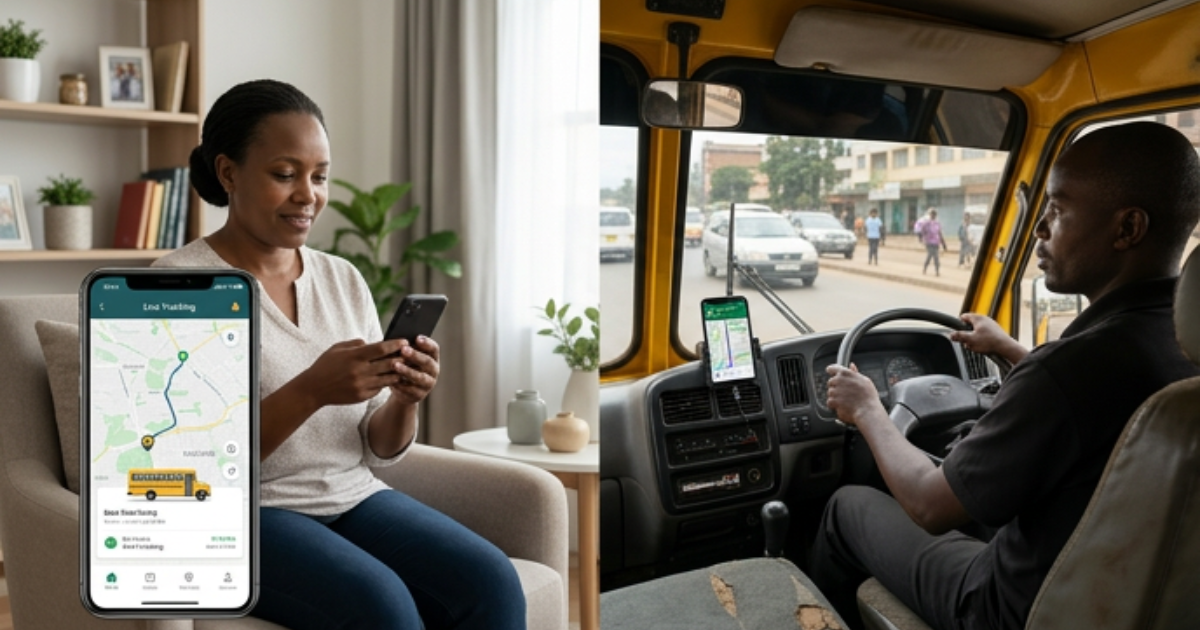
Once boarding is confirmed, the next question is the more familiar one, particularly when pickup or arrival is taking longer than expected. Parents still need to know where the bus is. This part of the concern hasn’t gone away; it’s just no longer the only part.
But “where is the bus” is more useful when it is more than a dot moving across a map. A location on its own, without context, tells a parent very little. Is the bus five minutes away or forty? Is this normal for the route, or is the journey taking longer than expected?
Useful journey visibility can go further than a single point on a map:
- Where the vehicle is right now
- How far along the journey it is
- What arrival looks like, where that information is available
- Whether the journey appears to be progressing as expected
A location becomes genuinely useful when it helps a parent understand what’s happening with the journey, not just where a vehicle happens to be sitting on a map at that moment.
It’s also worth being honest about the limits here. An estimated arrival time is exactly that: an estimate, shaped by traffic, road conditions, and the realities of a route with multiple stops and multiple students. It’s a useful reference for planning around, not a promise. What can be frustrating for parents isn’t an estimate being off by a few minutes. It’s having no information at all and being left to guess.
Question Three: If Something Changes, Will I Be Informed?
School journeys don’t always go exactly as planned. Traffic builds up unexpectedly. A stop takes longer than usual because several students need to board. A route gets adjusted for a day because of road closures or a schedule change at the school.
None of that is unusual, and most parents understand that transport isn’t always going to run like clockwork.
What they need is different from perfection. They need to know when something relevant to their child’s journey changes and to find that out without having to go looking for it themselves.
When the only way to learn about a change is to call the school, both sides can end up worse off. Parents are left wondering whether a late bus means a five-minute delay or something more significant. Transport teams can end up fielding the same question from multiple parents about the same situation, time that could otherwise go toward managing the journey.
This is where parent communication becomes part of the transport experience itself, rather than an afterthought. Where the system supports it, notifications can provide a way of sharing relevant journey updates as they happen, rather than leaving parents to piece things together from secondhand information or a delayed phone call.
That doesn’t mean every possible variable needs to generate an alert. Too many notifications can create noise and make genuinely important updates easier to overlook. The goal is to make relevant information available when it matters, without requiring parents to ask first.
Parents don’t expect every journey to be perfect. They need to know when something relevant changes.
Why These Questions Matter More Than a Map
Put the three together, and a clearer picture forms:
- Student — did my child board?
- Journey — where is the bus, and how is it progressing?
- Communication — will I know if something changes?
None of this is an argument against live tracking. A map is genuinely useful, and it answers an important part of the parent’s question. But it only ever answers part of it. On its own, a map can’t confirm boarding, and it can’t communicate a relevant change unless the parent happens to be looking at the right moment.
The real value for a parent comes from connecting student information, journey visibility, and communication. Instead of relying on a map alone, parents can have access to information that answers the broader questions surrounding their child’s journey. Behind that clearer picture is a wider operation, with routes, drivers, records, and communication all working together to make the information available when it’s needed.
For a closer look at where live tracking alone can fall short, see School Bus Tracking and Student Boarding Verification: Closing the Visibility Gap.
What This Looks Like During a School Day
It helps to walk through one ordinary day rather than treat this as an abstract list of features.
During pickup. A student boards the bus, and that boarding activity is recorded at the moment it happens; the first of the three questions answered before the parent even has to think to ask it.
During the journey. Instead of guessing, a parent can check on the bus and its progress, with information that reflects what is happening on that specific trip rather than relying entirely on a static expectation of when the bus usually arrives. If the parent needs more information, it is available without having to call the school.
When something changes. If there is relevant information to share about the journey, a delay, a route adjustment, or another change that affects what the parent is expecting, the parent can receive an appropriate update through the school’s transport communication process. The aim is to give parents relevant information without requiring them to call first.
Across all three moments, the parent’s experience is simple: the information they need is available when it becomes relevant, without requiring them to constantly monitor the journey.
That’s important because communication should be useful, not overwhelming. A transport system that sends parents constant updates about every minor event can create noise and make important information harder to notice.
The Real Measure of a Good Transport Experience
Back to the parent from the start of this article, who knew which bus their child was on and still didn’t have the whole picture.
A good transport experience isn’t about handing them more information than they know what to do with or expecting them to keep an app open all afternoon just in case something happens. It’s about making the right information available at the moment it’s actually needed and staying out of the way the rest of the time.
- Did my child board?
- How is the journey progressing?
- Will I know if something changes?
Answer those three questions well, consistently, day after day, and the experience of school transport becomes clearer for parents. The bus itself doesn’t need to occupy their attention throughout the afternoon. They simply need to know that the information they need is available when they need it.
That’s the real goal: not a more detailed map, but fewer moments where a parent is left wondering.
Parents don’t need more information for the sake of information. They need the right answers at the right moments.
For schools looking to give families clearer visibility into the school journey, explore how Bunifu Go connects student identification, journey visibility, and parent communication.