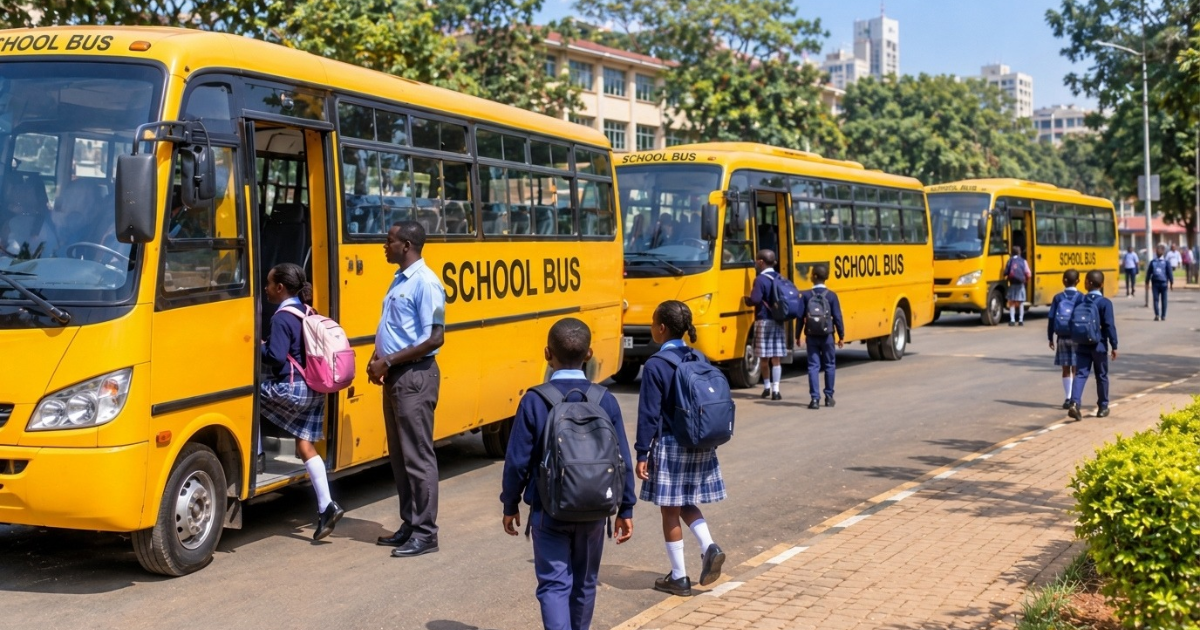
A school year can begin with a manageable number of students using school transport. Routes are familiar, pickup points are established, and drivers and transport staff understand the daily routine.
Then enrolment increases.
A new year group is introduced, more families request transport, or the school welcomes students from areas it did not previously serve. What worked at the beginning of the year may no longer be sufficient.
While additional enrolment is usually a positive development for a school, it also creates new demands on transport operations. More students may mean additional stops, changes to existing routes, adjustments to schedules, and a greater need for accurate student records.
The important question is whether the school’s transport arrangements are being reviewed at the same pace as its growth.
How Growing Enrolment Affects School Transport
When student numbers increase, transport requirements can change in ways that are not always immediately obvious.
A route that previously served a small group of students may now carry a much larger number. New students may live outside established pickup areas, while existing families may request changes to their collection points.
These changes can affect journey times, vehicle capacity, staff responsibilities, and communication with parents.
Without regular reviews, schools may find themselves relying on arrangements that were designed for a smaller student population.
Growth does not necessarily mean that a school needs to introduce entirely new transport systems. However, it does mean that existing arrangements should be assessed to determine whether they still meet the school’s needs.
Transport Challenges That Can Develop as a School Grows
Several areas deserve attention when enrolment increases.
1. Routes May No Longer Meet Demand
As more students join a school, the number of learners using individual routes can change. Some routes may become busier, while new students may need transport from areas that were not previously covered.
Schools need to review whether existing routes still make sense, whether vehicles have sufficient capacity, and whether journey times remain practical.
Effective route planning can help schools assess these changes and organise transport arrangements around their students’ needs. Read our article on How Route Planning and Optimisation Can Help Schools Run an Efficient School Transport System.
2. New Pickup Points Can Create Gaps in Communication
Additional students often bring requests for new pickup and drop-off points. These changes need to be communicated clearly to the relevant transport staff and reflected in the school’s records.
When arrangements are updated informally or through disconnected communication channels, there is a greater risk of outdated information being used.
A clear process for approving and recording changes helps ensure that drivers, transport coordinators, and parents are working with the same information.
Keeping parents informed when transport arrangements change is also an important part of managing school transport. Learn more about the power of timely, automated communication in school transport management.
3. Drivers and Transport Staff May Face Increased Pressure
More students and more complex routes can place additional demands on drivers and transport teams.
Staff may need to manage revised schedules, unfamiliar pickup points, and changes to student lists. Schools also need to consider what happens when a driver is absent or a route needs to be adjusted at short notice.
As operations expand, responsibilities and communication processes should be clear. Transport teams need access to accurate information so they can respond to changes without relying entirely on memory or last-minute instructions.
Having workable schedules is equally important as transport operations expand. Our guide on How to Plan School Transport Schedules That Work explores some of the considerations schools should make when organising their daily transport routines.
4. New Students Need to Be Included in Transport Records
A student joining the school does not automatically mean their transport arrangements have been properly integrated.
Their route, pickup point, drop-off arrangements, and relevant transport details need to be recorded. The school should also establish how their journeys will be monitored and how parents will receive relevant updates.
If this process is overlooked, transport teams may have difficulty confirming individual journey details, particularly when responding to questions from parents.
Questions to Ask Before the Next Enrolment Period
Before admitting another group of students or expanding transport services, schools should take time to review their existing arrangements.
The following questions can help identify areas that need attention:
- Route capacity: Do current routes have enough capacity for the expected number of students?
- Pickup and drop-off points: Are all approved stops documented, and are recent changes reflected in the transport records?
- Student records: Can the transport team confirm which students are assigned to each route?
- Staffing arrangements: What is the procedure when a driver is unavailable or a route needs to change?
- Parent communication: How are families informed about changes to pickup times, routes or transport arrangements?
- Journey records: Can the school access recorded boarding information and review an individual student’s journey history?
These questions are useful not only when enrolment increases but also during routine reviews throughout the school year.
A transport arrangement should not be treated as a fixed plan that only needs attention at the beginning of a term. It should be reviewed as the school’s needs change.
Keeping Transport Records Accurate as the School Grows
The bigger a school gets, the less it can rely on memory and informal communication to keep track of what happens on its buses.
A school with a handful of routes may manage some arrangements manually. However, as student numbers and transport operations expand, keeping information accurate becomes increasingly important.
This is where reliable boarding records become valuable.
With Bunifu Go, each student is assigned an NFC-enabled keyfob. When a student uses it to board, the event is recorded, giving the school a dated record that can support follow-ups and help transport teams review individual journeys.
For a transport manager investigating a late afternoon run or a school administrator responding to a parent’s concern, access to recorded journey information makes it easier to establish what happened rather than relying entirely on recollection.
Parents also benefit from better access to journey information. The Bunifu Go Parent app provides journey history, while notifications for boarding, pickup, and drop-off help families stay informed about their child’s transport.
Technology does not replace good transport planning. Routes still need to be reviewed, drivers need appropriate schedules, and staff need clear communication processes.
However, as a school grows, reliable records make it easier to monitor how transport arrangements are working, identify gaps, and make informed adjustments.
Planning Ahead for Sustainable School Transport
Growing enrolment brings opportunities for schools, but it also requires careful attention to the systems that support daily operations.
Transport arrangements that were suitable for a smaller student population may need to change as the school expands. Regular route reviews, accurate student information, clear staff responsibilities and consistent communication with parents all contribute to better-managed transport services.
Schools should therefore include transport planning in their wider enrolment and operational reviews. Preparing for additional students before they join can help reduce avoidable disruption and make it easier to integrate new families into existing arrangements.
As your school grows, your transport arrangements need to grow with it. Bunifu Go supports better visibility and record-keeping across school transport operations, helping schools access boarding information and keep parents informed.
Explore Bunifu Go’s features or get started to see how it can support your school’s transport management.