Every school with a bus fleet reaches a point where the paper register, the group of transport WhatsApp groups, and the driver’s mobile phone stop being enough. The tricky part is that this point rarely announces itself. It shows up gradually, as one more missed call, one more late pickup, one more spreadsheet that doesn’t quite add up.
If you manage transport for a school in Kenya, discover 5 warning signs and how technology can improve school transport management.
1. Parents call before the bus arrives, not after
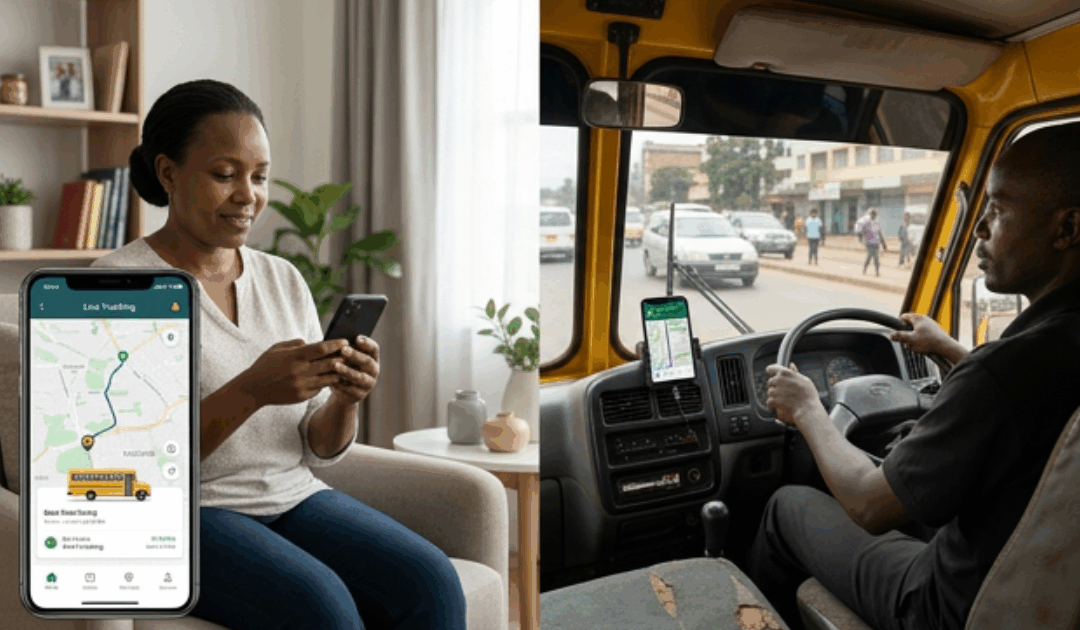
A single anxious phone call is normal. A flood of them, every single afternoon, is a system problem. When parents don’t trust that they’ll be notified the moment their child boards or disembarks, they default to calling the school directly, and that puts pressure on staff who have nothing to do with transport but end up fielding the questions anyway.
A transport system that sends automatic SMS or app alerts at pickup and drop-off removes the guesswork. Parents stop calling because they already know.
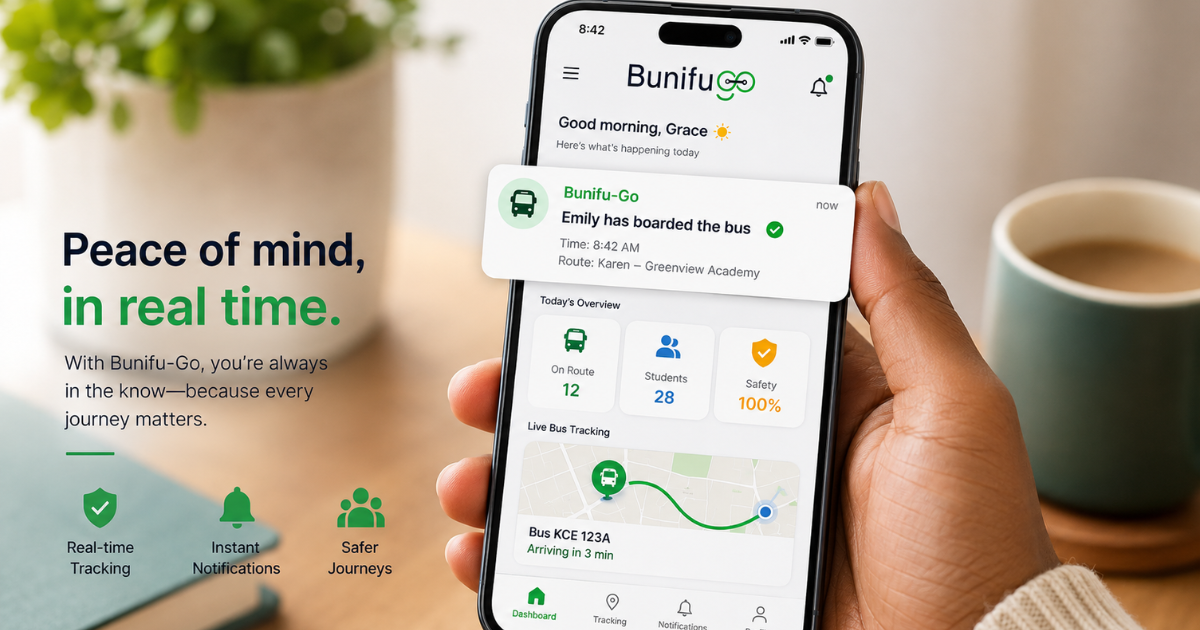
parent receiving automated school transport notification
2. Attendance still lives in a notebook
If a student’s transport attendance is written down by hand, three things are quietly true: the record can be lost, it takes real staff time to compile into a weekly or monthly report, and nobody has a fast way to answer “was this child on the bus this morning?” without flipping through pages.
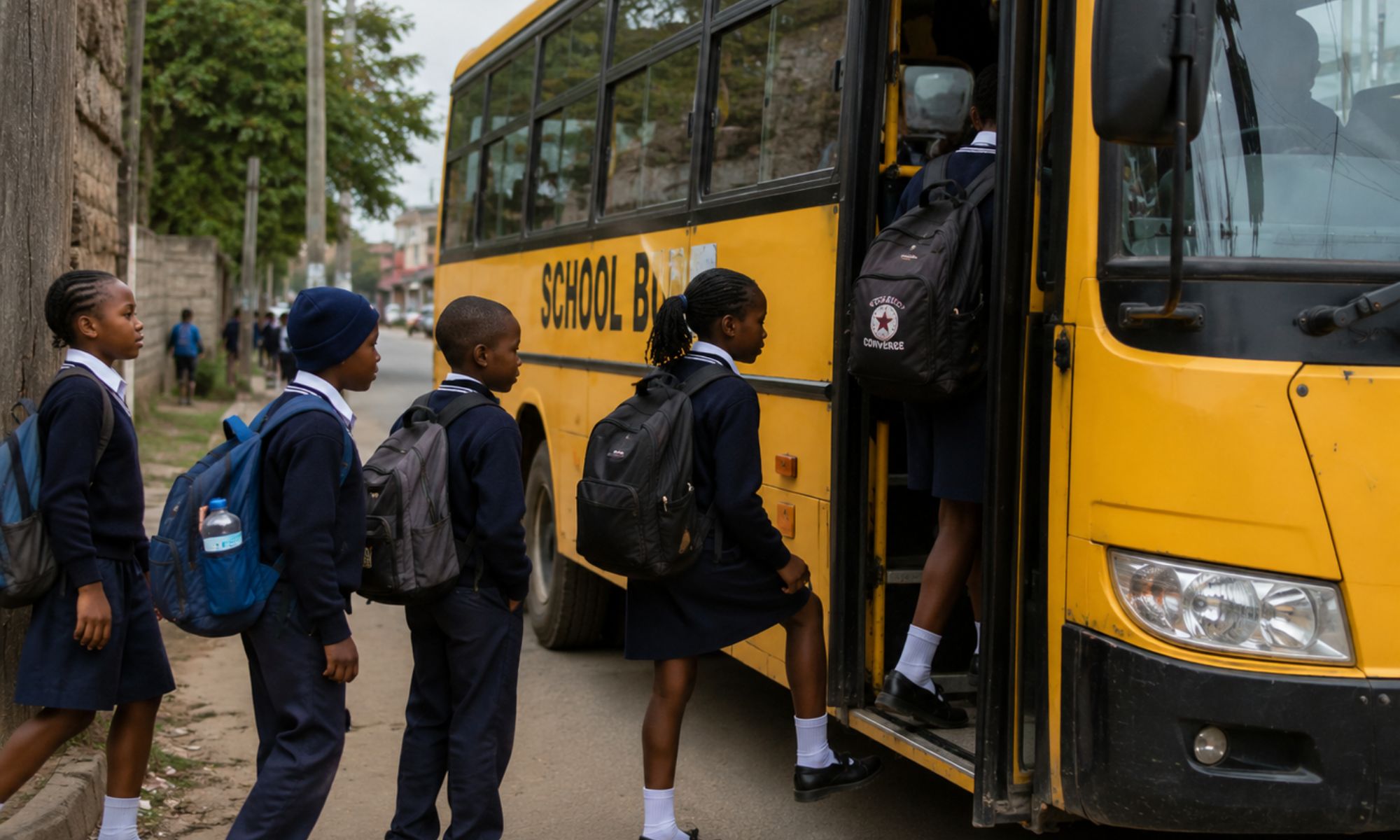
NFC tags or biometric check-ins solve this at the point of boarding, not at the end of the day. The record exists the moment the student taps in, and a summary is available on a dashboard rather than buried in a drawer.
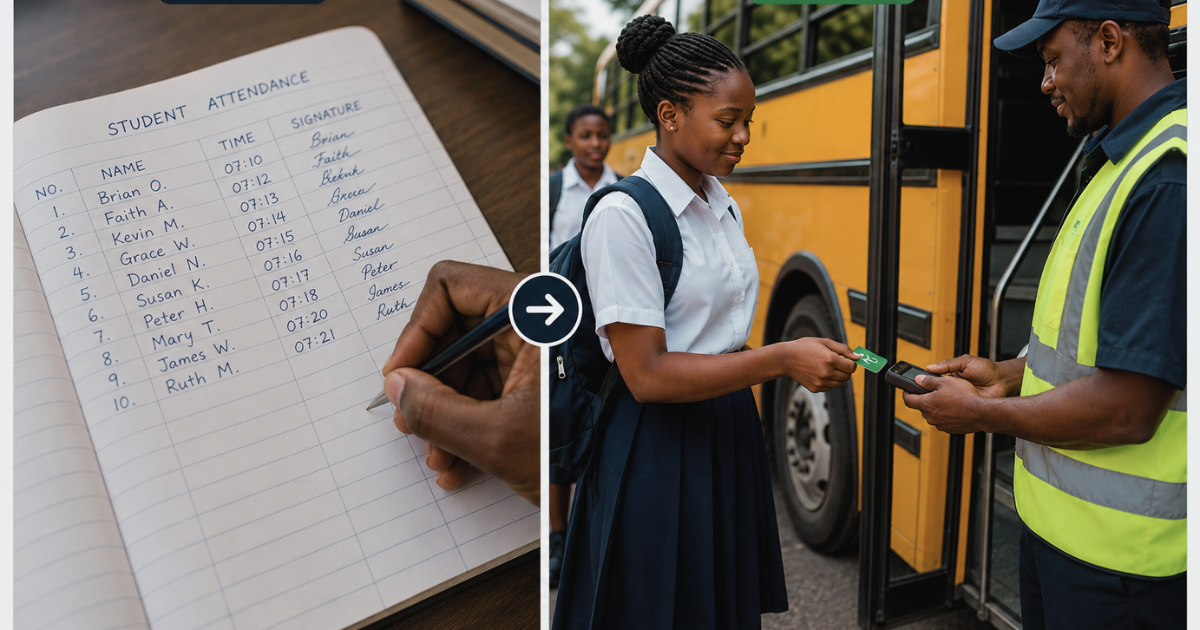
student using NFC tag for school transport attendance
3. You can’t answer “where is the bus right now?”
This is the question every transport manager gets asked the most, and it’s the hardest one to answer without live tracking. Without it, “where is the bus” means calling the driver, who may not answer immediately because they’re driving. With real-time GPS visibility, the answer is already on a screen, and route delays can be spotted and communicated before they become complaints.
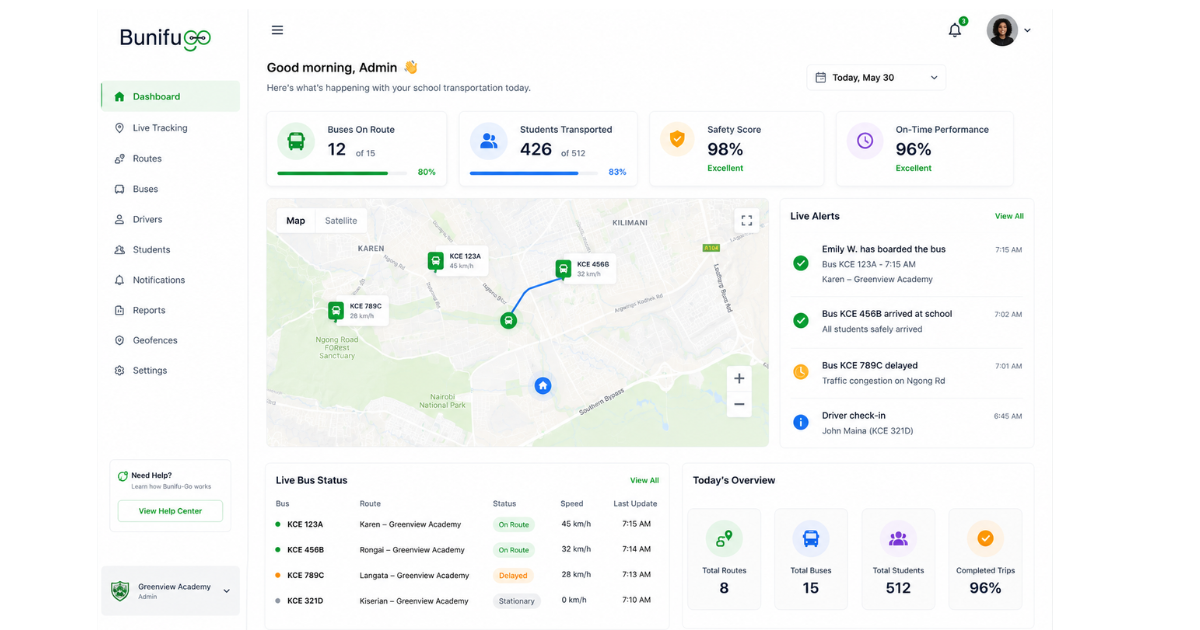
real-time GPS fleet tracking dashboard for school buses
4. Billing and reconciliation take days, not minutes
Manually reconciling which students were transported, for how many days, against what they’ve paid, is one of the most time-consuming parts of running a school transport service. It also tends to be where small errors compound into disputes with parents. A system that ties billing to actual recorded trips closes that gap and turns a multi-day task into a report you can generate in minutes.
5. You have no record when something goes wrong
The worst time to discover a gap in your transport system is during an incident. If a bus is late, a route changes, or a student isn’t picked up as expected, schools without a digital record are left reconstructing what happened from memory and phone calls. A system with trip logs, GPS history, and driver behaviour data gives you an actual record to refer to, which protects the school as much as it protects the students.
What this adds up to
None of these signs, on their own, means your current setup has failed. But together, they describe a transport operation that is running on manual effort and goodwill rather than on visibility and data. That’s a hard way to scale, especially as student numbers grow or as parents come to expect the kind of real-time updates they get from everything else in their lives.
Bunifu Go was built around these exact five gaps: automated parent notifications, NFC and biometric attendance, real-time GPS tracking, automated billing tied to actual trips, and a full record of every trip for accountability. If more than one of the signs above sounds familiar, it may be time to see what a dedicated system looks like for your school.
Start your free trial today and see what a full-visibility transport system looks like for your school.