Before the Buses Move
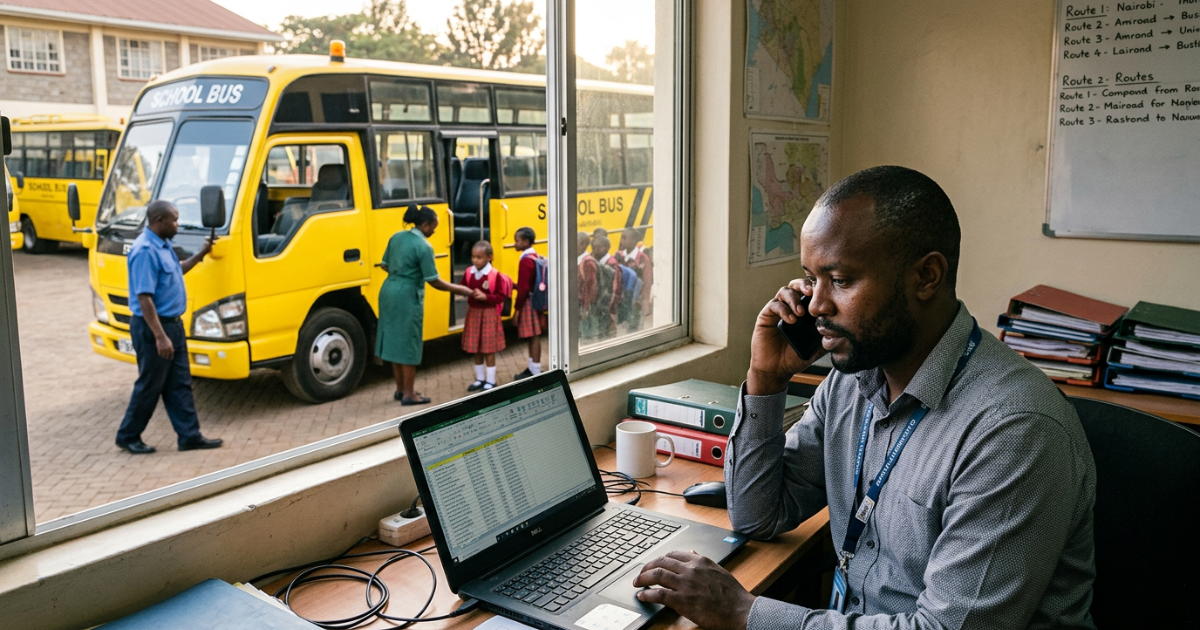
The school day hasn’t started for anyone except the transport manager.
Before a single student is picked up, there’s a round of checks to get through: which drivers are confirmed for the day, whether last night’s maintenance flag on Bus 2 was cleared, whether the driver who called in sick has been covered, and whether any route has to shift because of roadworks reported the evening before.
None of this is visible to parents or school administrators. By the time the first bus pulls out of the yard, the manager has already made several small decisions that kept the morning from falling apart before it began.
When the Calls Start
By 6:15 AM, the phone doesn’t really stop.
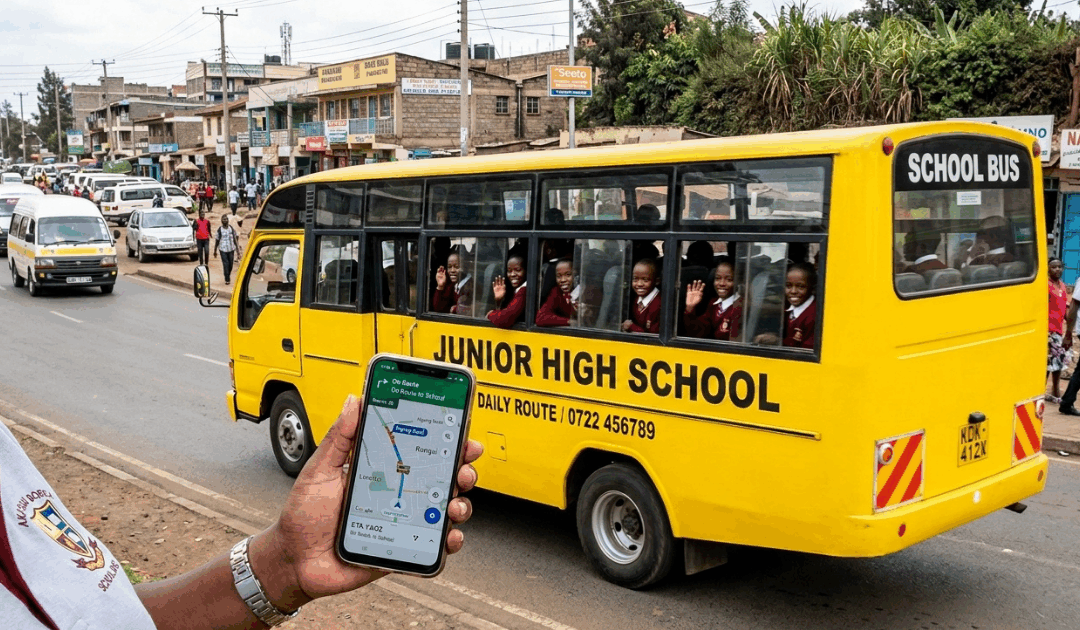
A parent wants to know if the bus has passed their stop yet. Another wants to know why it’s running late. Somewhere along Thika Road, traffic has backed up behind a stalled matatu, and the driver calls in to report it, which means the manager now has to work out who’s affected and get word to them, one call or message at a time.
For schools still relying on manual confirmation, answering “Has my child been picked up?” can mean picking up the phone and asking the driver directly.
For the better part of an hour, the manager is receiving questions, tracking down answers and passing information from one person to another. This is where timely parent communication matters, not simply to keep parents informed, but to reduce the amount of manual coordination required from the transport team.
After the Buses Arrive
Once the buses reach school, the pace doesn’t really slow down; it just changes shape.
Now it’s about reconciling: matching the expected student list against attendance or boarding records, following up on a student who wasn’t marked present, and sorting out a discrepancy the school office has already started asking about. A delay that happened at 6:40 AM is still being explained at 8:15.
This is the part of the job that’s easy to miss from the outside. The manager isn’t managing the operation at this point; they’re reconstructing what already happened, after the fact, from memory, phone calls, and whatever the driver remembers to mention.
The Work That Gets Pushed Aside
Somewhere in all of this, there’s a longer list of work the manager is supposed to be doing.
Reviewing whether a route still makes sense as the school’s intake changes. Checking vehicle maintenance before a breakdown occurs. Looking at which stops consistently run late and whether that’s a scheduling or traffic issue. Following up on a contract renewal with a transport provider.
None of it feels as urgent as a parent’s phone call, which is exactly the problem. This is the work that improves the transport operation, but it’s the first thing to get pushed to tomorrow. And tomorrow starts the same way today did.
The Afternoon Rush
Drop-off brings the same questions back, but now parents are waiting for their children to arrive home.
A student who should have boarded for the return trip isn’t accounted for. Did they miss the bus? Go home with a relative? Are they still on campus? Without a single record to check, the manager may have to make a sequence of calls to the school, then the driver, then the parent, ruling things out one at a time until an answer emerges.
It’s a few tense minutes that shouldn’t need to happen at all. And by the time it’s resolved, there’s another parent asking whether the bus has left yet.
The Manager Shouldn’t Have to Be the System
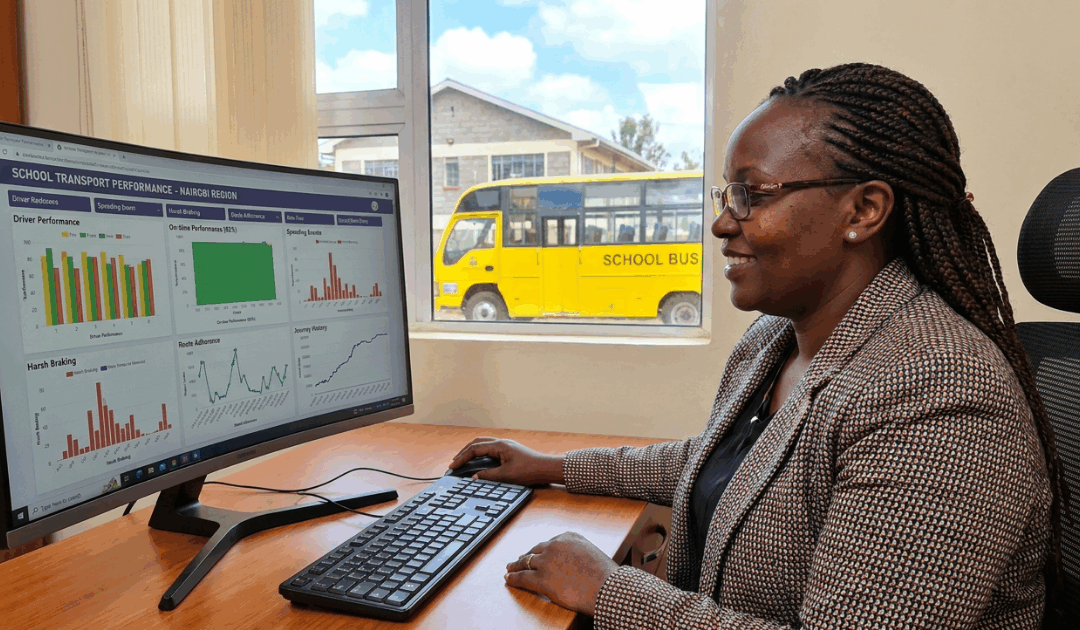
Step back from any single day, and the pattern is clear: the manager spends most of their time being the connection between things that don’t talk to each other. A driver’s phone call. A parent’s message. A paper register. A GPS dashboard that can show where the bus is, but not who’s on it.
Every one of those pieces holds a fragment of the picture. None of them, on their own, holds the whole thing. So the manager becomes the system manually holding together information that should already be connected, one phone call at a time.
That’s not a training problem, and it’s not a matter of working harder. It’s what happens when a school’s transport information is scattered across different places instead of being connected.
From Firefighting to Management
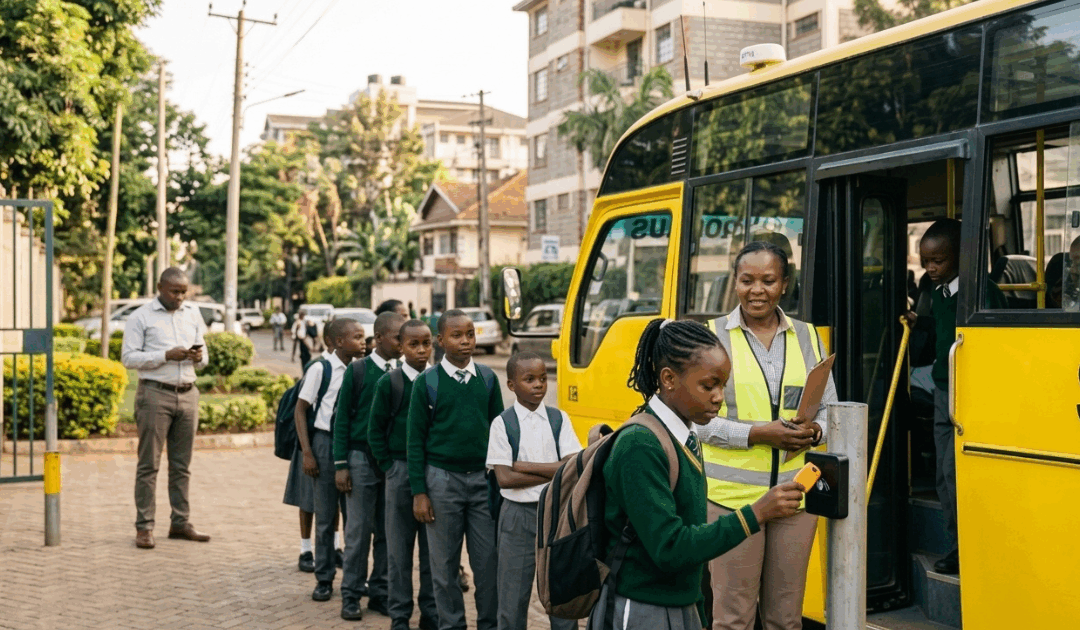
This is where a connected transport platform like Bunifu Go can change the manager’s day; bringing vehicle tracking, student boarding records and parent communication into one place. Instead of piecing together what happened through phone calls, the manager can have a clear record of student boarding alongside the vehicle’s location. An NFC keyfob tap at boarding helps create that connected record.
It doesn’t remove the job. Buses still run late, students still need looking after, and human judgment still matters most at boarding and alighting. What it changes is where the manager’s time goes: less time spent finding out what happened and more time spent actually managing the operation.
“Parents are happy with the system, especially the alerts they receive regarding the student’s arrival at both school and back home. The system has also helped me become more efficient in my work through the real-time updates and reports.”
— Transport Manager, Jonathan Glog Academy, Nairobi
A school transport manager should be managing the operation, not spending the day trying to find out what’s happening in it.