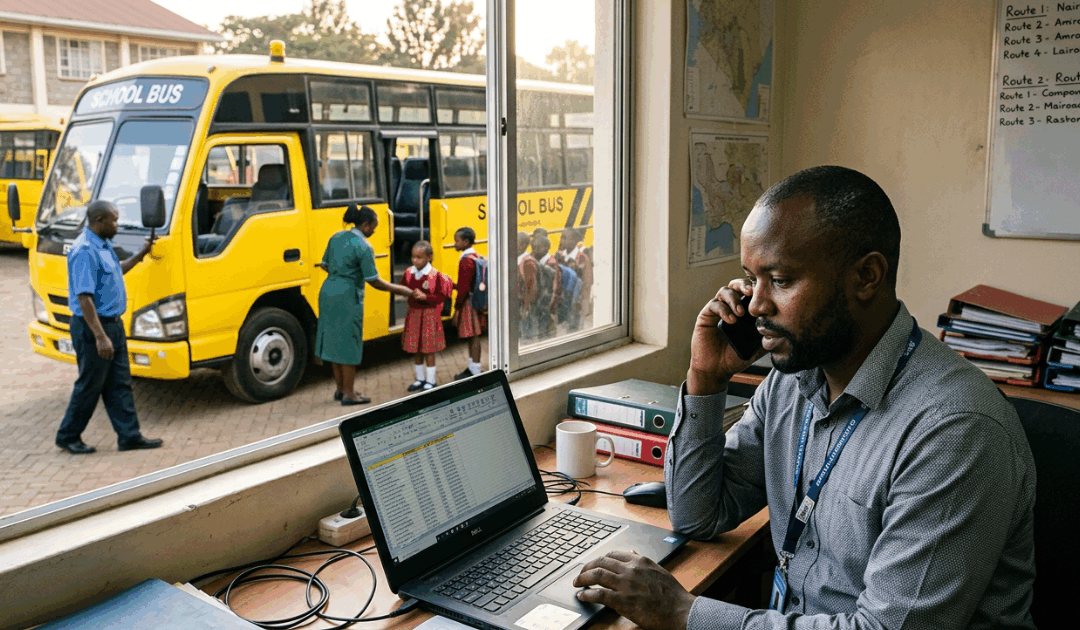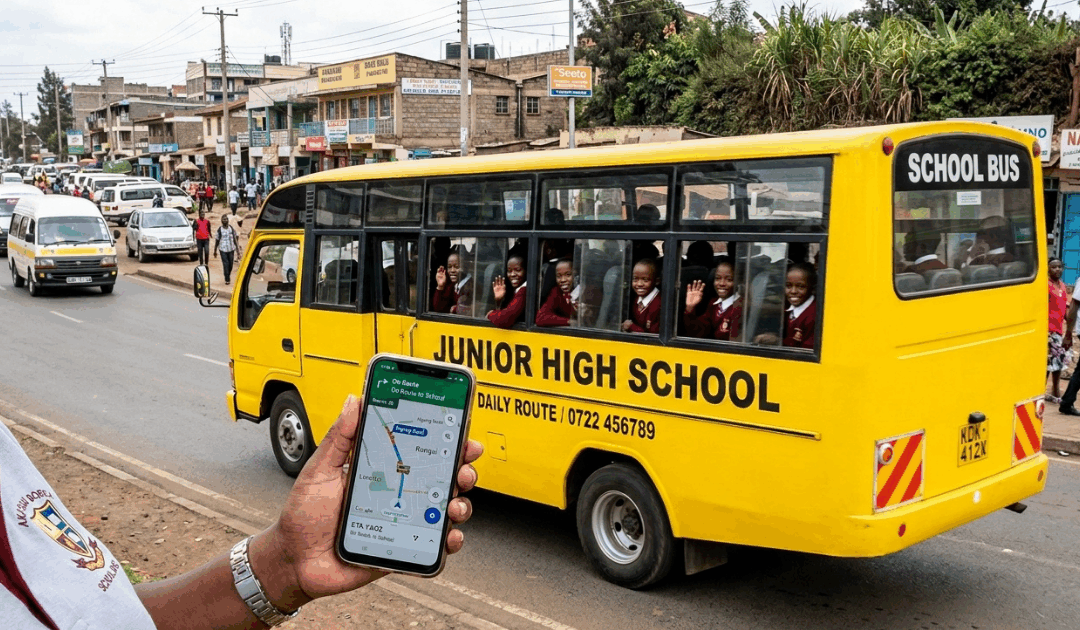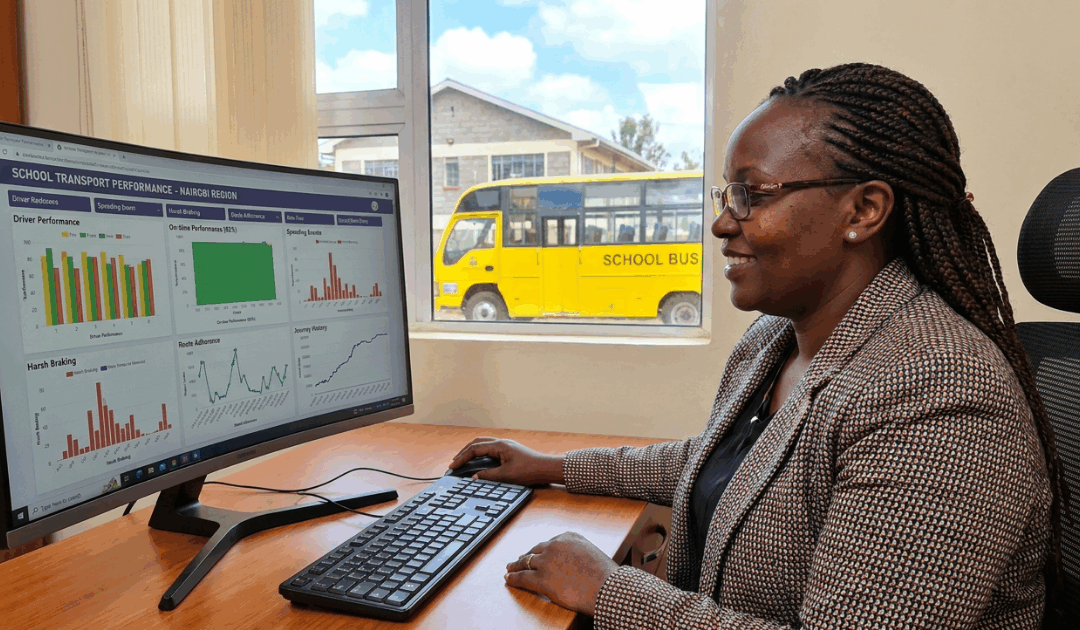
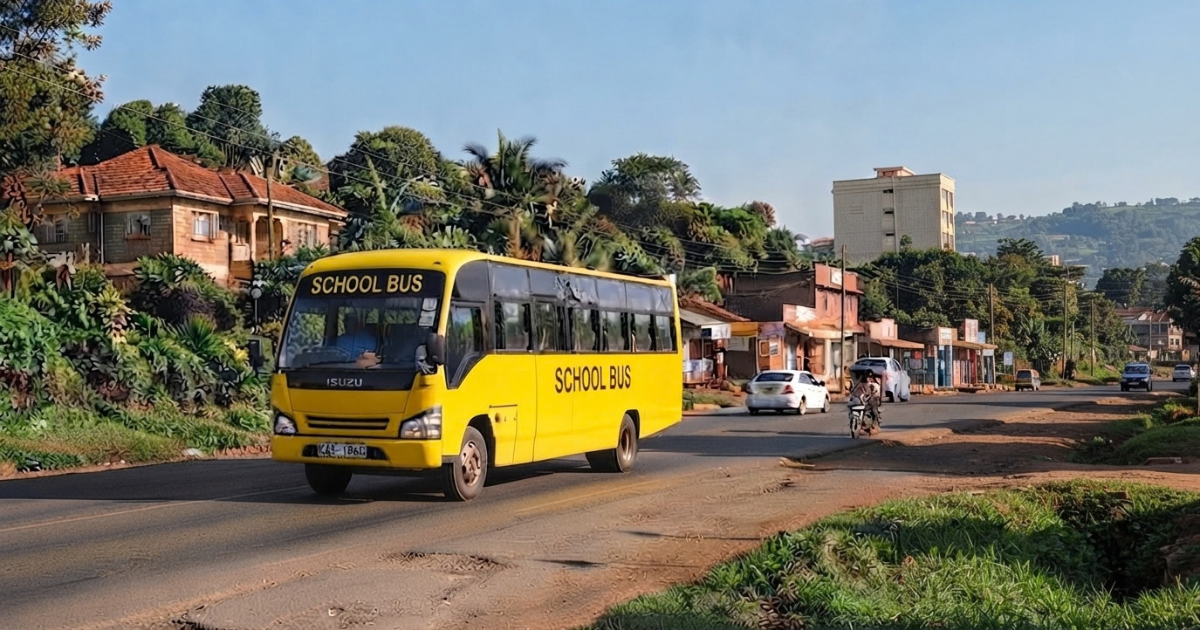
Most schools can say where a bus is right now. Fewer can look back at a specific bus journey and clearly account for what happened: who boarded, when the journey started, what route the vehicle took, and what was recorded along the way. School transport records make it possible to answer those questions after the journey has ended.
That gap rarely matters on an ordinary day. It matters the moment someone needs an answer after the fact.
What “Reconstructing a Journey” Actually Means
Reconstructing a journey doesn’t mean replaying it. A school doesn’t need a second-by-second account of every moment a vehicle was on the road. What it does need is enough reliable information to understand the important stages and events of that journey after it’s over.
In practice, that usually means being able to account for the vehicle and driver assigned when the journey started and ended, who boarded, where the vehicle went, any significant delays or deviations, and any communication that took place along the way.
Most days there’s nothing unusual to record. The standard isn’t that every detail exists somewhere; it’s that when a journey needs to be accounted for, the pieces are there and they’re reliable.
Live Tracking Isn’t the Same as a Record
Live tracking answers a different question. It tells you what is happening now, where the vehicle is at this moment, whether it’s on schedule, and whether it’s near the next stop. That’s genuinely useful, but it only answers part of the question.
But a live map doesn’t automatically leave anything behind. Once the vehicle arrives and the trip ends, what remains depends entirely on whether that information was captured and stored somewhere, not on whether it was visible while the journey was happening.
Live tracking tells you what is happening now. A journey record tells you what happened. As we’ve written before, a bus arriving on the map isn’t the same as knowing who was on it; the same gap shows up here, between watching a journey and being able to account for it afterward.
The Test: Could Your School Answer These Questions?
Here’s a practical way to check where your own transport process stands. Take any recent journey; pick one at random, not a day you remember clearly, and see whether you could answer:
- Which vehicle made the journey?
- Which driver was assigned?
- When did the journey begin?
- Which students were recorded as boarding?
- What route did the vehicle take?
- Were there any significant delays or deviations?
- When did the vehicle arrive?
- What drop-off records were captured?
- What communication took place if something changed along the way?
If most of these come back quickly and confidently, the underlying system is doing its job. If several depend on “let me ask the driver” or “I’d have to check a few different places”, that’s usually a sign of where the gaps are, not a verdict on anyone’s competence, just a useful diagnostic.
Where the Record Usually Breaks Down
A journey becomes difficult to reconstruct when the information that mattered was never in one place to begin with. It’s scattered: a paper register here, a WhatsApp message there, a phone call that was never written down, a spreadsheet updated inconsistently and a detail that lives only in someone’s memory of the day.
None of this happens because anyone is careless. It happens because these are separate tools being used for separate jobs, and journey information passes through all of them without ever being pulled together in one place. The record exists, just not as a record. It exists as a set of fragments, and fragments are hard to reassemble weeks later, especially under pressure.
It’s a version of the same problem that shows up around handovers; when the moment responsibility changes hands isn’t clearly recorded, the information around it scatters too.
Why This Matters: The Difference a Record Makes
A parent asks, “What happened on my child’s journey yesterday?”
There are two very different ways that conversation can go.
One is: “Let me check with the driver and call you back.”
The other is, “Let me pull up the journey record.”
The second answer doesn’t require perfect records. It requires that the school is working from something recorded, rather than starting from a guess or a memory. That difference shows up well beyond one phone call, in how disputes get resolved, how an incident gets reviewed afterward, and how consistently a school can report on its own operations.
What a Connected Journey Record Looks Like
This is where connected transport technology becomes useful. Rather than leaving journey information scattered across a register, a messaging app, and someone’s recollection, a system can bring key events and records together so the journey remains visible even after the vehicle has arrived, not just while it was moving.
Bunifu Go is built around that idea. Students are recorded as they board, while vehicle location and trip information is captured through the journey. Completed trips can be reviewed with details such as start and end times, driver or assistant information, and boarded students, giving transport managers a record they can return to after the journey has ended.
From Monitoring to Record-Keeping
School transport has gotten a lot better at monitoring: live maps, real-time alerts, and dashboards that show exactly where every vehicle is at any given moment. That’s real progress, and it’s solved a real problem.
But watching a journey happen and being able to account for it afterward are two different capabilities, and a system can be strong at one without being strong at the other. The next question worth asking isn’t whether your school can see its buses right now. It’s whether those journeys leave behind something worth trusting once they’re over.
See What a Journey Record Actually Looks Like
Book a short demo, and we’ll walk you through a real trip from start to finish: boarding, route, timings, and everything captured along the way.