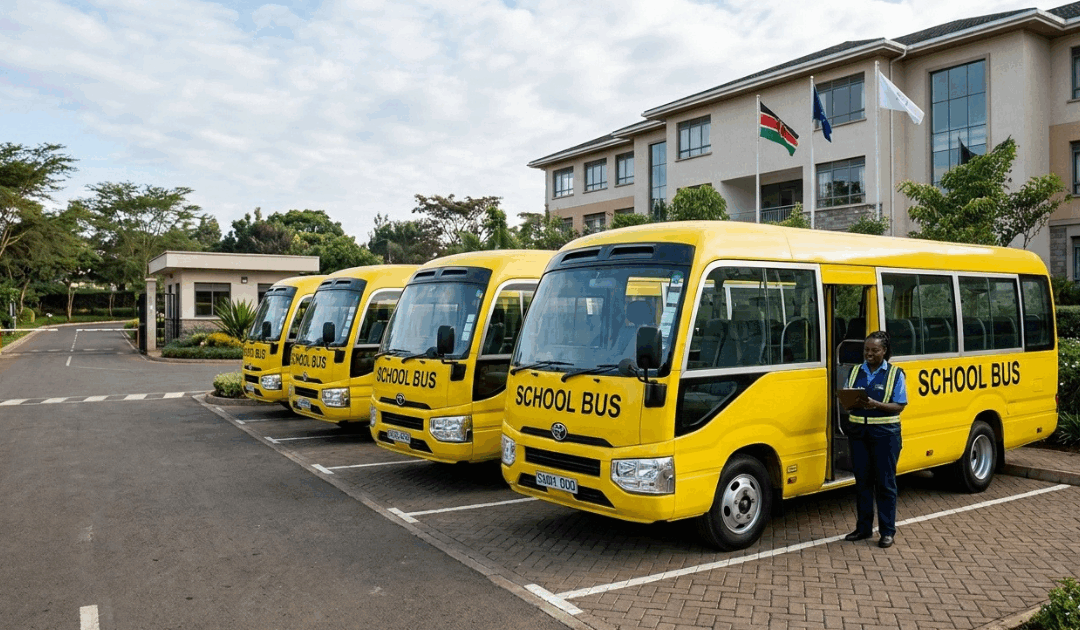

Picture a parent comparing two schools. Both have strong academic reputations, good facilities, and experienced teachers. The decision now depends on daily life: how the morning will work, how the afternoon will end, and whether the family will spend half their working day coordinating the school run.
Parents consider far more than academic performance. Practical arrangements, including transport, can shape the decision as much as any single academic factor. Questions about routes, journey length, supervision, and communication often come up early in admissions because they determine whether a school suits a household.
This article explores how a well-managed transport service can become part of a school’s overall value and how to make that value clear during admissions.
Transport as Part of the Daily School Experience
For many families, transport is the first and last point of contact with the school each day. Pickup times, journey length, and drop-off arrangements shape the rhythm of every household that uses the service.
Each family plans differently. A working parent may need a reliable morning window. A household with children at different schools may need one route that fits everyone’s day. A family with a long commute may weigh journey length as heavily as the school’s programme.
Predictable routines let parents plan their own commitments around the school. This does not mean every journey will run without delay. It means the school has realistic arrangements, communicates changes, and has a process for unexpected situations. That predictability also shapes how parents see the school’s organisation and its understanding of their daily demands.
What Families Look for in School Transport
Parents tend to judge a transport service on four considerations:
Reliability: Can parents plan their mornings around the stated pickup times? Are journey times realistic, and are delays communicated promptly? Schools should be able to explain how routes are planned and what happens when traffic or other circumstances affect the schedule.
Safety: Are drivers and attendants vetted and supervised? Are there clear procedures for boarding, drop-off, and unexpected situations? Parents will want to know who is responsible for students during the journey and what happens if a child is not at the expected pickup point.
Visibility: Can parents know when their child has been recorded as boarding and when they arrive at school or their drop-off point? Clear journey records help schools account for students at each stage of the trip.
Communication: Do parents know whom to contact when something changes? Are updates sent promptly, and are concerns followed up? Schools should name the channels they use, who sends updates, and how parents can raise a concern.
A school that answers all four clearly helps families judge whether its arrangements suit their children and their routines.
The Value Beyond Getting Students to School
A well-managed transport service contributes to the wider family and student experience:
- Convenience for families: An organised arrangement reduces the need for parents to make separate plans for every school journey.
- Reduced planning pressure: Clear pickup arrangements and realistic journey windows help families with children at different schools or campuses organise their days.
- Student routine and independence: A consistent daily journey helps students become familiar with the route and the people on it.
- A sense of community: Students often build relationships with drivers and attendants. Familiar faces and routines make the journey to and from school more settled.
These benefits depend on the quality and consistency of the arrangements. A service that is unreliable or poorly communicated will not deliver them, however good the intention. Describe them as outcomes the school works toward, not guarantees.
Making Transport Part of the Admissions Conversation
Transport should come up in admissions conversations, not only when a parent asks. Practical ways to do this include:
Show routes and catchment areas clearly. Help parents see which areas are served and whether their home is covered. An overview of routes and pickup points lets families judge whether the service is practical for them.
Explain the arrangements. Describe pickup points, journey windows, drop-off procedures, and how routes are managed. Avoid promising exact arrival times when traffic and other conditions can affect the journey. Realistic windows give parents a better basis for planning.
Communicate safety procedures. Explain how drivers and attendants are managed, how boarding is recorded, and how unexpected situations are handled.
Clarify parent communication. Tell prospective families what updates they will receive, which channels are used and whom to contact about delays, route changes or concerns.
Use supportable examples. Describe the service using actual procedures and records. Explaining how boarding is recorded and reviewed is more convincing than calling the service fully accountable.
Make the information easy to find. Include transport details in admissions brochures, on the website and during campus tours, so parents don’t have to wait until after enrolment.
Schools that manage transport through a platform such as Bunifu Go can point to recorded boarding and journey information. Describe what the platform records and how the school uses it, rather than implying more than it does.
Common Mistakes Schools Should Avoid
Treating transport as an afterthought. Leaving transport out of the admissions conversation means families may not get the information they need when comparing schools.
Providing limited information. Failing to explain routes, pickup arrangements, communication, and responsibilities before enrolment leaves parents uncertain.
Focusing only on the vehicles. Showing the condition of the buses without explaining how students are accounted for and how journeys are managed overlooks the most important part of the service.
Overlooking the parent experience. A well-equipped service can still be hard for parents to assess if the information and reassurance they need are missing.
Planning transport from the start avoids most of these mistakes and gives admissions teams one consistent answer to give families.
Questions Parents May Ask During a Campus Tour
Admissions teams should be ready to answer questions like these:
- Which areas do your transport routes cover?
- How are pickup and drop-off times determined?
- How is each student’s boarding recorded?
- How are parents informed when a bus is delayed or a route changes?
- Who supervises students during the journey?
- What happens if a child is not at the expected pickup point?
- How are transport-related complaints and concerns handled?
Specific answers build more trust than general reassurance. Explaining how pickup windows are set is more useful than saying buses arrive on time. Campus tour answers should also match the admissions materials and what the transport team actually delivers.
For schools evaluating an external provider, What to Ask a School Transport Provider Before You Sign covers the questions to put to a provider before committing.
A Practical Example: When Transport Influences a School Choice
This scenario is hypothetical.
A parent is comparing two schools with similar academic offerings. School A gives little information about transport. The parent has to ask several times to learn which areas are covered, what the pickup windows are, and what happens when a bus is late.
School B explains its routes and the areas it serves, gives realistic pickup windows, describes how boarding is recorded, and sets out how parents receive updates. The admissions team also names who parents can contact with questions or concerns.
The parent leaves the tour with clear answers and a better understanding of how the school manages transport. Transport may not decide the choice for every family, but it can shape the information and confidence a parent brings to it.
Transport Is Part of the School’s Overall Value
A school’s value is experienced beyond the classroom. How it manages student transport shapes what families experience, from the first admissions conversation through the everyday routine of the school year.
Reliability, visibility, communication and accountability are the foundations of a well-managed service. Schools that can explain them clearly give families a reason to trust the arrangements.
Bunifu Go helps schools support transport visibility, student boarding records, and parent communication. Schools can explore how it fits their transport management at Bunifu Go.